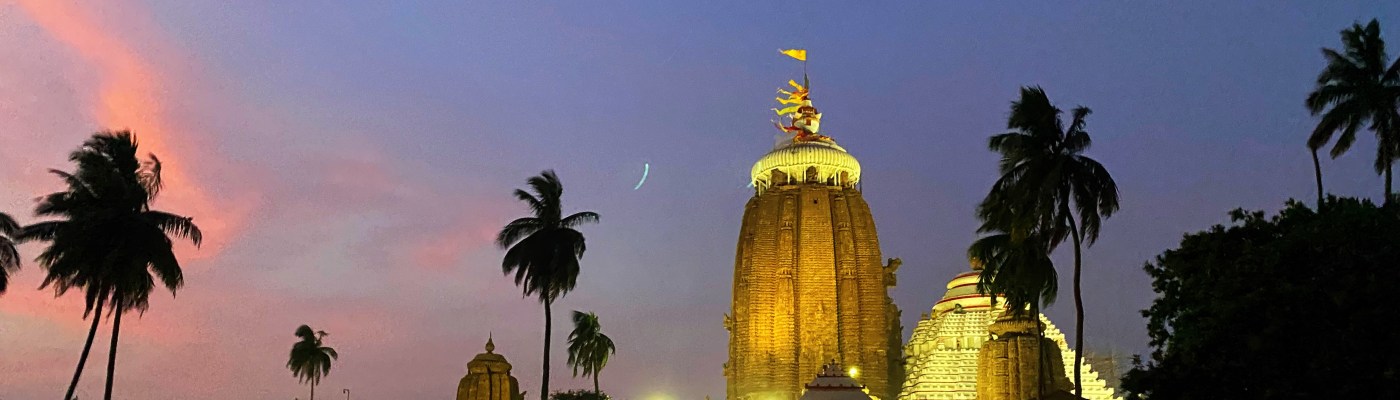
Popular as the Land of Lord Jagannath, Odisha is an east Indian state along the coast of the Bay of Bengal. Odisha is a beautiful state, with about 450km of pristine coastline and beaches, serpentine rivers, magnificent waterfalls, and varied wildlife with blue hills covered with eastern ghat forests.
It has been inhabited for thousands of years and has witnessed the rise and fall of different dynasties and realms. The region was home to the Kalinga Empire, which gained prominence during the ancient and medieval periods and is famous for the Kalinga War, fought in the 3rd century BCE.
Odisha is home to numerous ancient temples and is frequented by devotees of Lord Jagannath at Jagannath Temple in Puri and the Sun Temple in Konark is a popular tourist attraction.
Odisha has been on my list of “to visit places” for some time and lately I’ve had the chance to do a short trip. I landed at Bhubaneswar airport, which is the capital of Odisha and I started my car trip to visit the selected places in the state.
Puri – 60 kilometers south of the capital city Bhunneshwer, Puri is best known for its Jagannath Temple, one of Char Dham’s pilgrimage sites for Hindus. Puri is deeply immersed in the Jagannath culture, which includes rituals, traditions, and celebrations associated with Lord Jagannath. The city has a unique spiritual aura, with many temples and ashrams dotted through its streets.
I reached Puri around noon, and after resting for a while I made my way towards the Jagannath Temple.
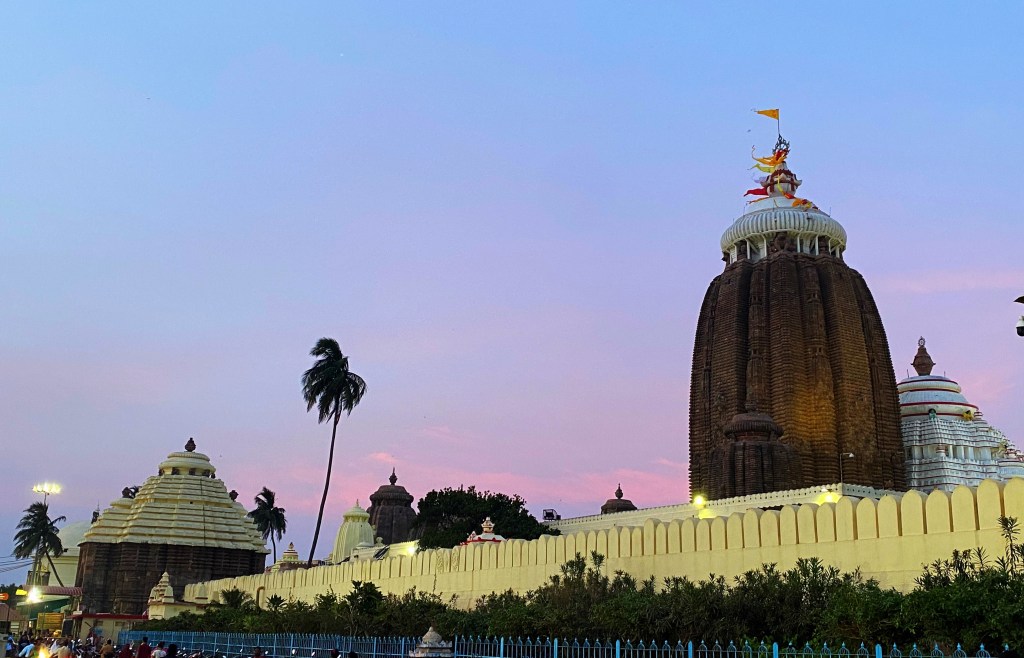
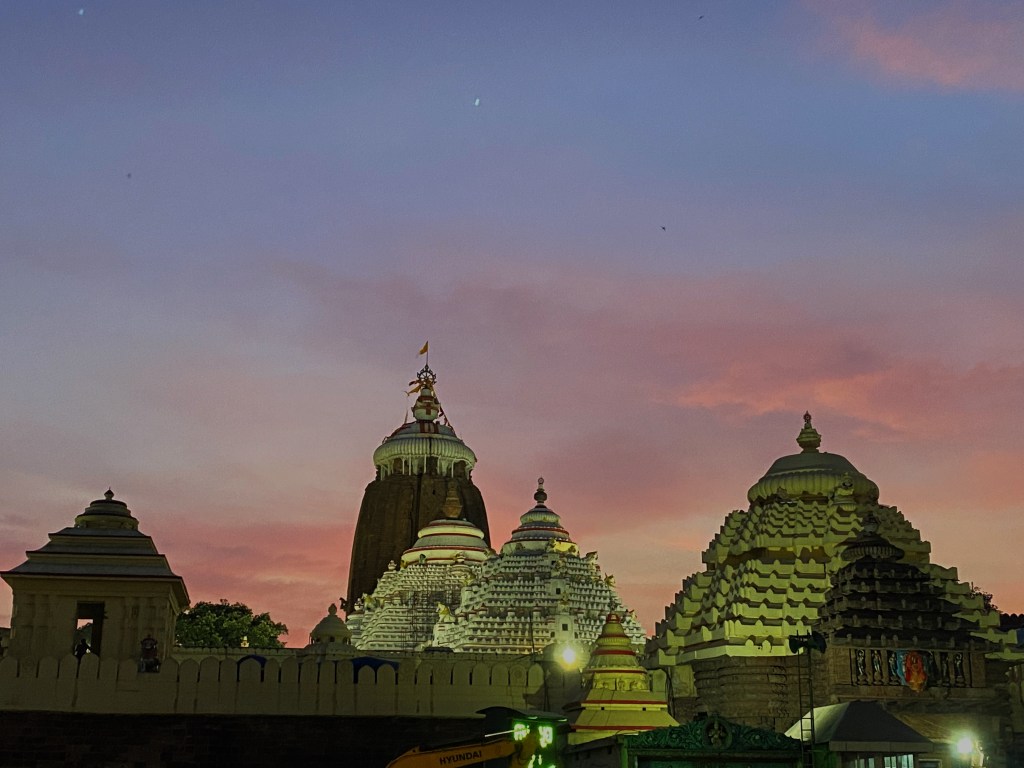
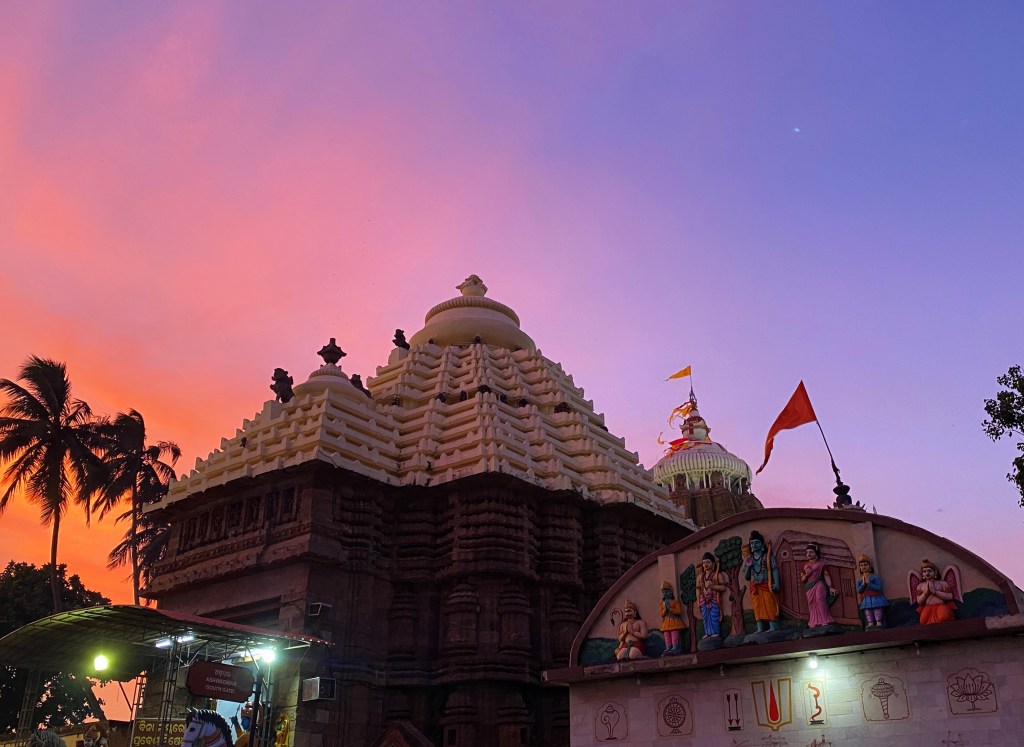
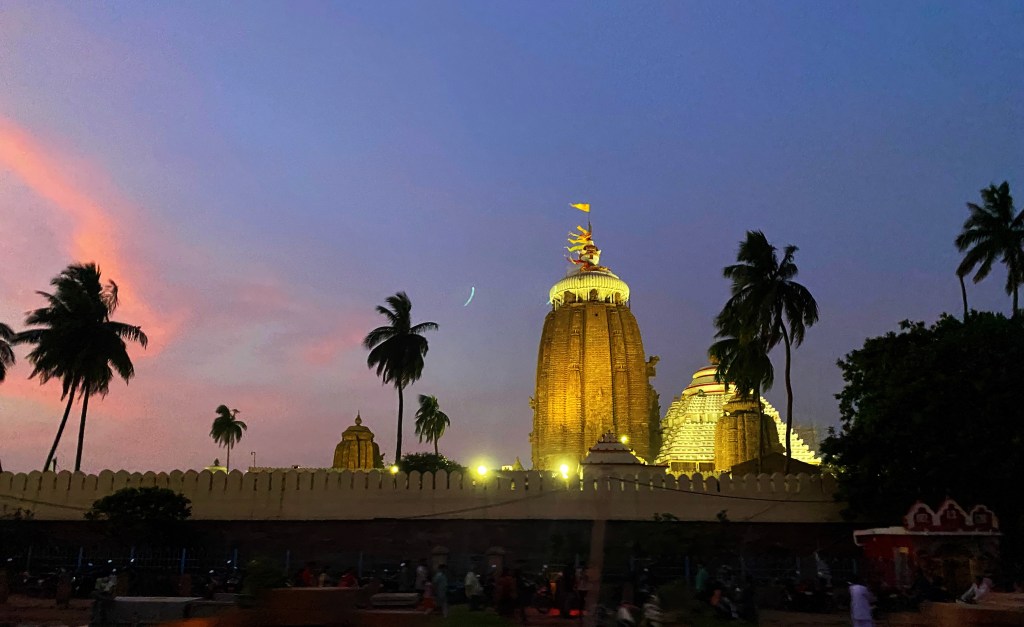
Jagannath Temple – One of the most ancient Hindu temples which is still actively used for worship. The temple is devoted to Lord Jagannath, a form of Lord Vishnu, and his brother and sister, Lord Balabhadra and Devi Subhadra. The temple is believed to be one of the most sacred places of worship. The temple’s main shrine was built by Anantavarman from the Shodaganga dynasty in the 10th century. The temple complex is recognized for its architectural beauty, intricate sculptures, and religious rituals. The atmosphere around the temple is vibrating and devotional.
As I reached the temple, I was informed that I am just in time to witness the flag-changing ceremony, a significant evening ritual that takes place every day around 5pm. This ritual dates to the day the temple was built. Thousands of devotees were sitting quietly inside the temple, waiting for this ceremony to begin. Suddenly, the sound of conch shells and the singing of Vedic hymns began to create a serene and divine atmosphere. 3 priests began to climb the temple walls without any other support, and in a few minutes, they were at the top of the temple dome. Two others followed them, and in a matter of minutes, they were also on top. They removed the old flags and replaced them with the new ones. The whole process of the flag change took around 30 minutes from start to end, and once finished all 5 made their way down along the walls of the temple. The ceremony was a fascinating ritual, a moment of spiritual connection and reverence, reminding the devotees of the divine presence and the optimism of the sacred environment of the temple.
After that, I entered the main shrine to seek God’s blessing followed by a visit to the kitchen and food hall. The food served here, called Mahaprasad, has great significance and is regarded as sacred. The food is prepared in the extensive kitchen of the temple known as the Ananda bazaar. The kitchen is staffed with 100s of cooks, and the food is cooked using traditional methods on wood-fired stoves in clay pots. Prasad is strictly vegetarian and prepared according to the principles of Satvik avoiding the use of onions, garlic, and some spices, emphasizing simplicity, purity, and balanced flavors.
The plate full of food was served to me by the devotees, there were 3 kinds of rice, lentils, a variety of vegetable curries, sweets, and kheer. After the Prasad, I went to various small shrines within the temple complex and spent the entire evening immersed in the sacred environment.
Tips:
Phones or cameras are not permitted inside the temple premises. At the main entrance, there is a telephone drop-off area where visitors may leave their phones.
To attend the flag change ceremony, reach the temple by 4:30 pm, and make your way to the roof of the room located on the left side of the temple. You will be able to see the whole process and priests climbing up from the small temple roof to the top of the dome, done with bare hands without any protective gear.
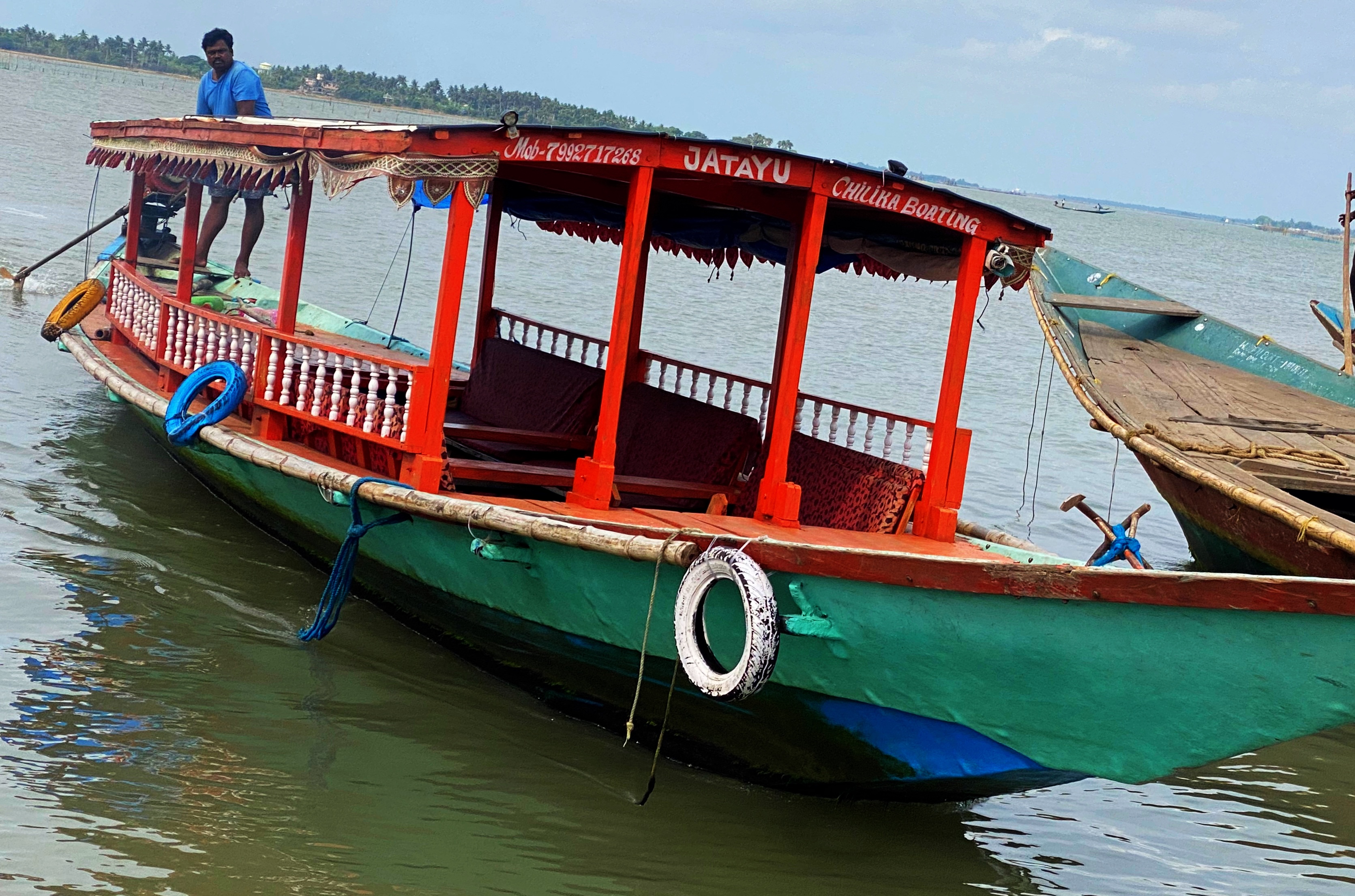
Chilika Lake – An hour’s drive from Puri, Lake Chilika is a magnificent saltwater lagoon and one of the largest coastal lagoons in the world. It is spread over an area of approximately 1,100 square kilometers. It is home to many species of migratory birds, including flamingos, pelicans, herons, and storks. It is also a breeding ground for various fish, shellfish, and dolphins, including the endangered Irrawaddy dolphins.
From the Satapada jetty, I took a motorboat to explore the lake. I visited the dolphin viewing area and was lucky to spot about 5 dolphins in 30 minutes. From there we made our way to Rajhans Island, and after spending some time exploring the island, Kuity Beach we made our way back to the pier. Overall, I spent about 3 hours exploring these areas of the lake.
Afterward, I visited the Chilika Ecopark to see the skeleton of a Baleen Whale, which was recovered from the local area.
Tips:
Visit early to increase the chance of spotting dolphins, later in the day, the traffic of boats increases, which ends up frightening dolphins away from the region.
Take the boat from a government-approved counter just behind the visitor center. The other private boat charters will charge an arm and a leg.
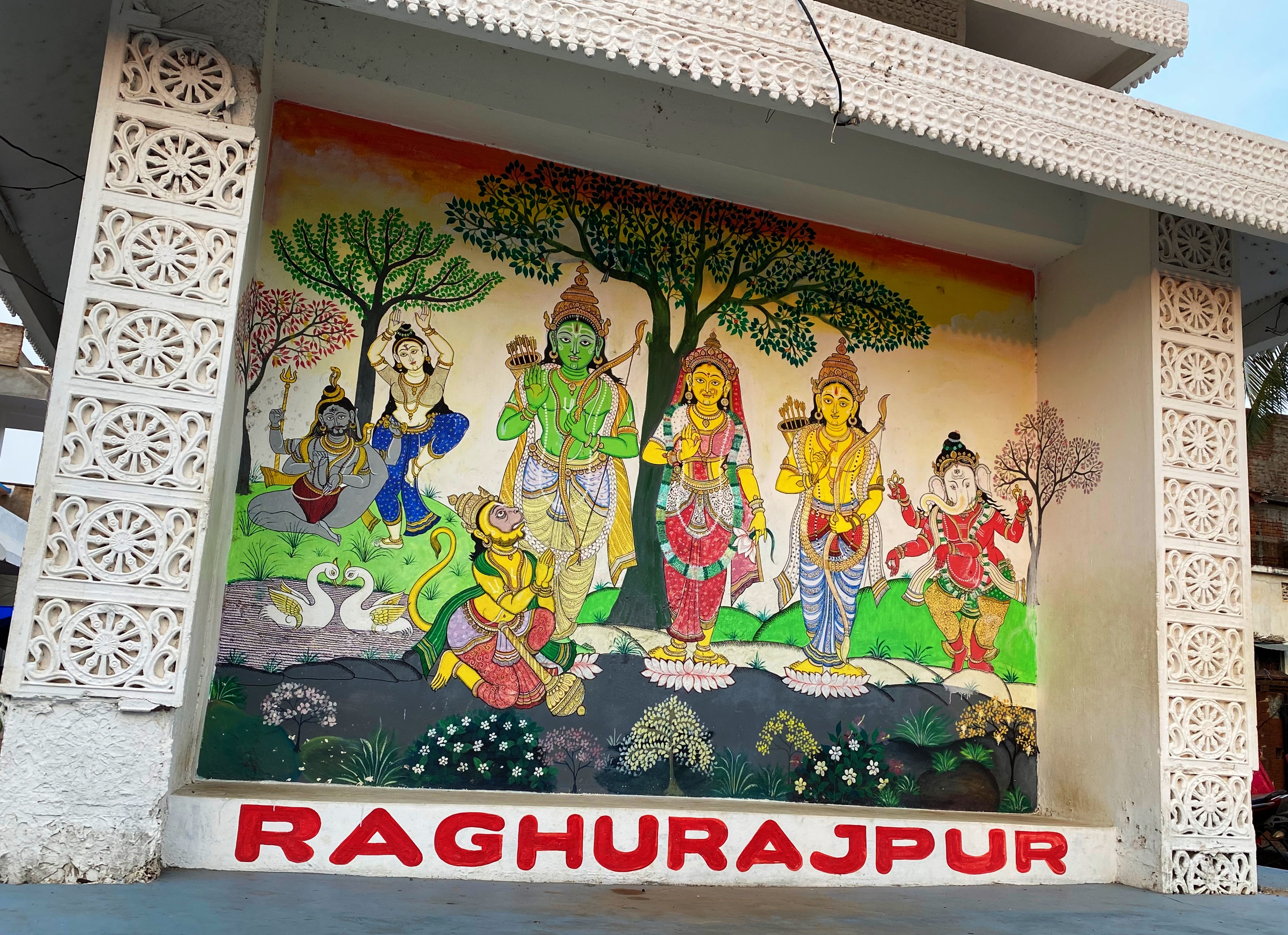
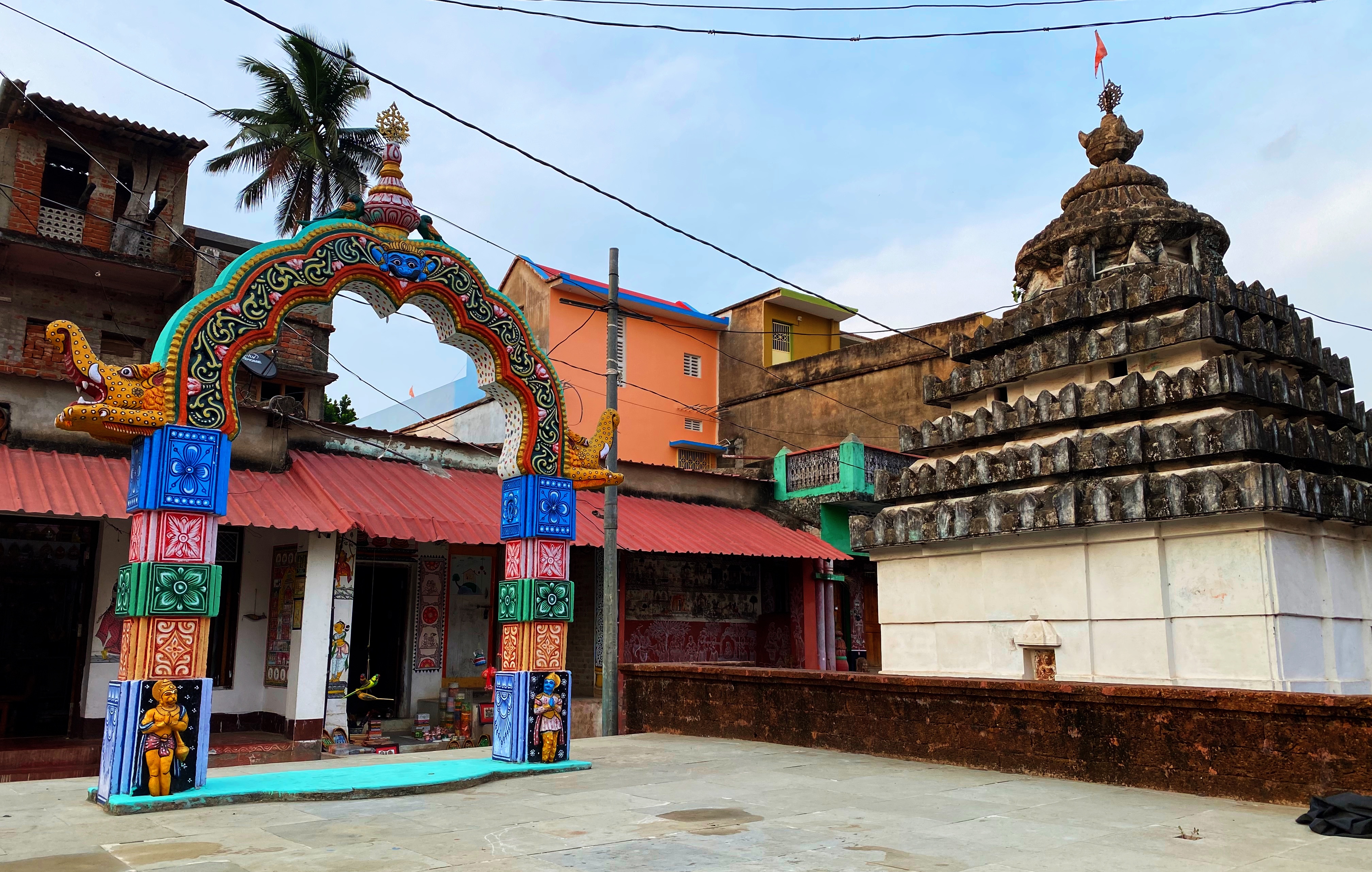
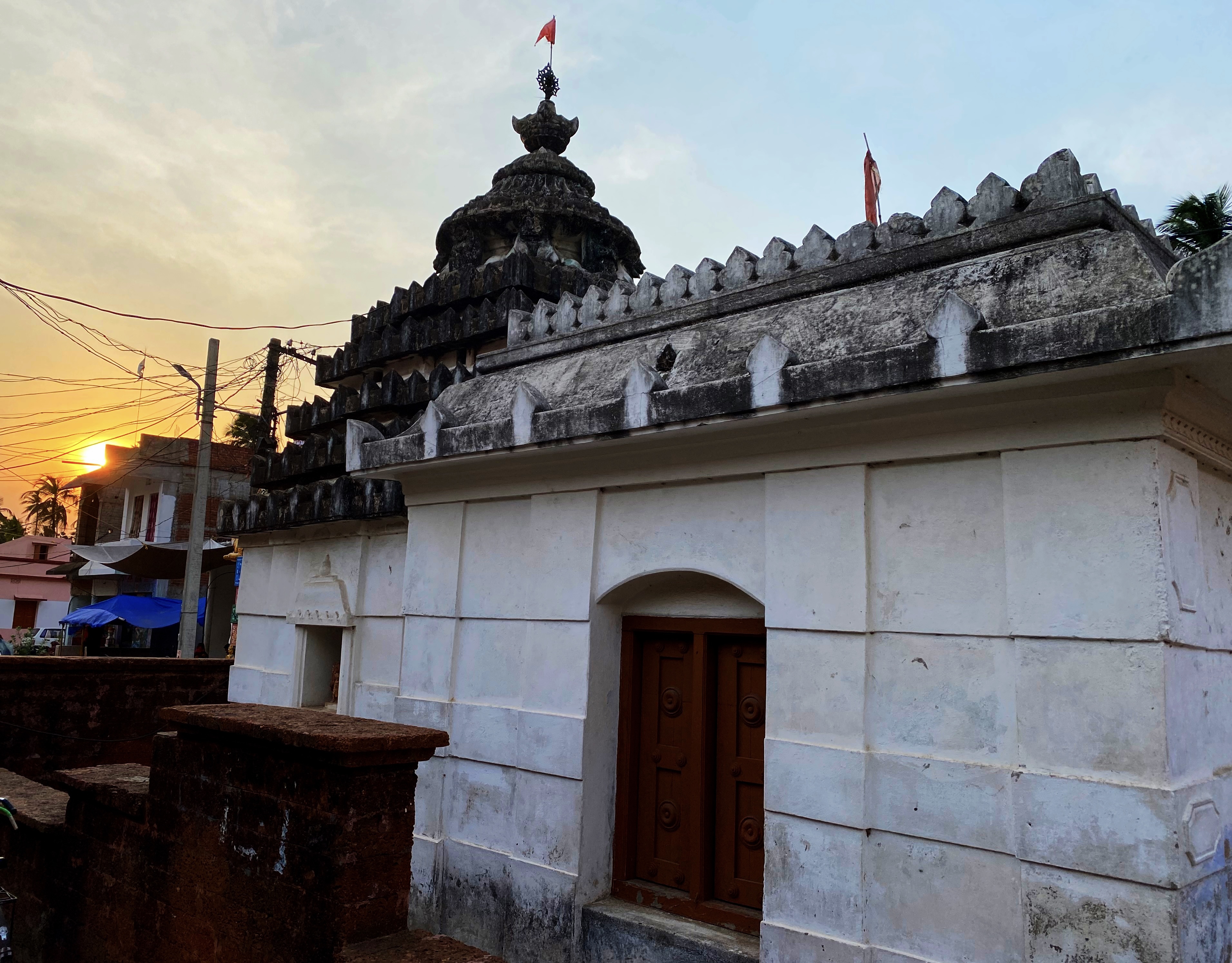
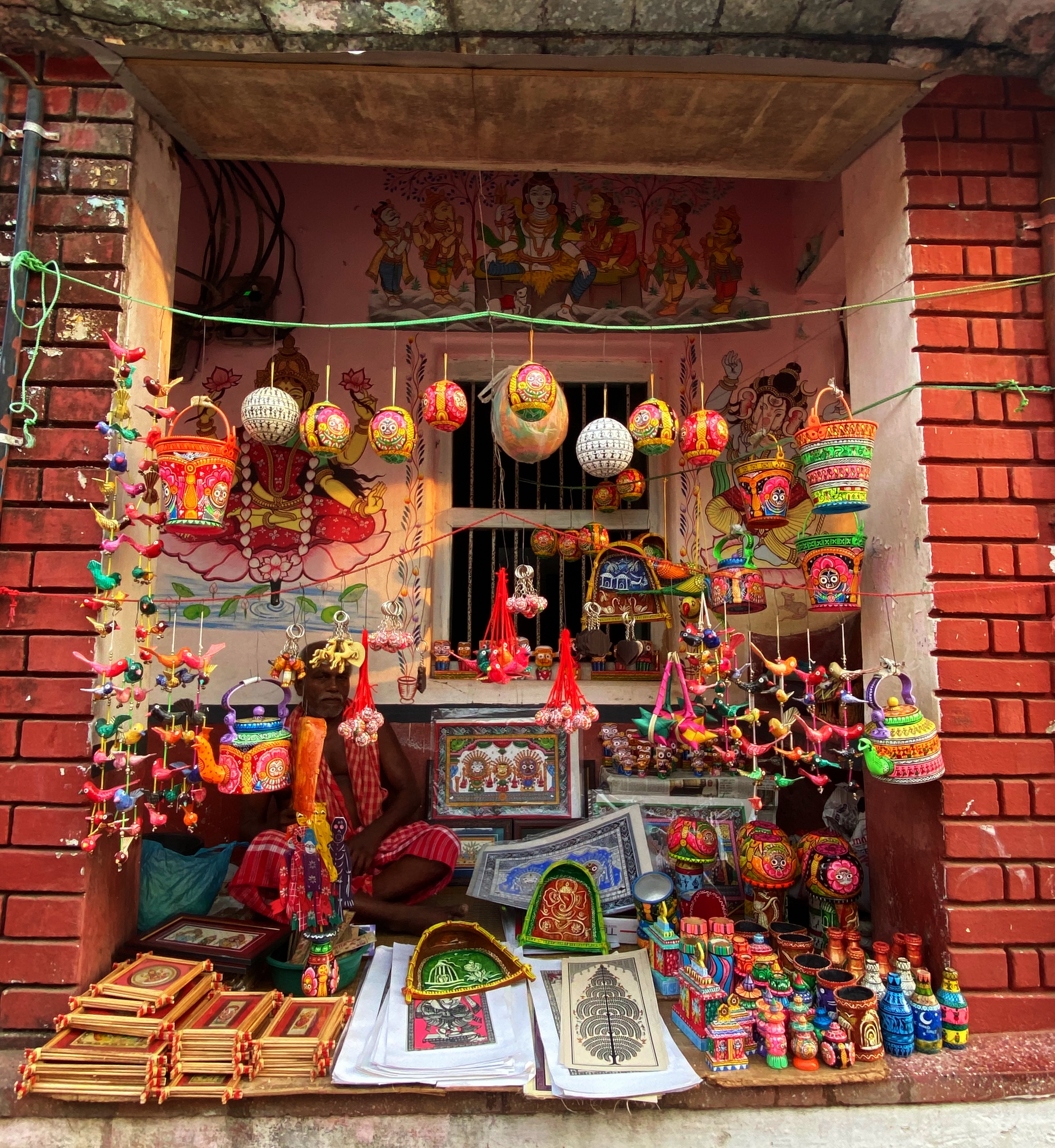
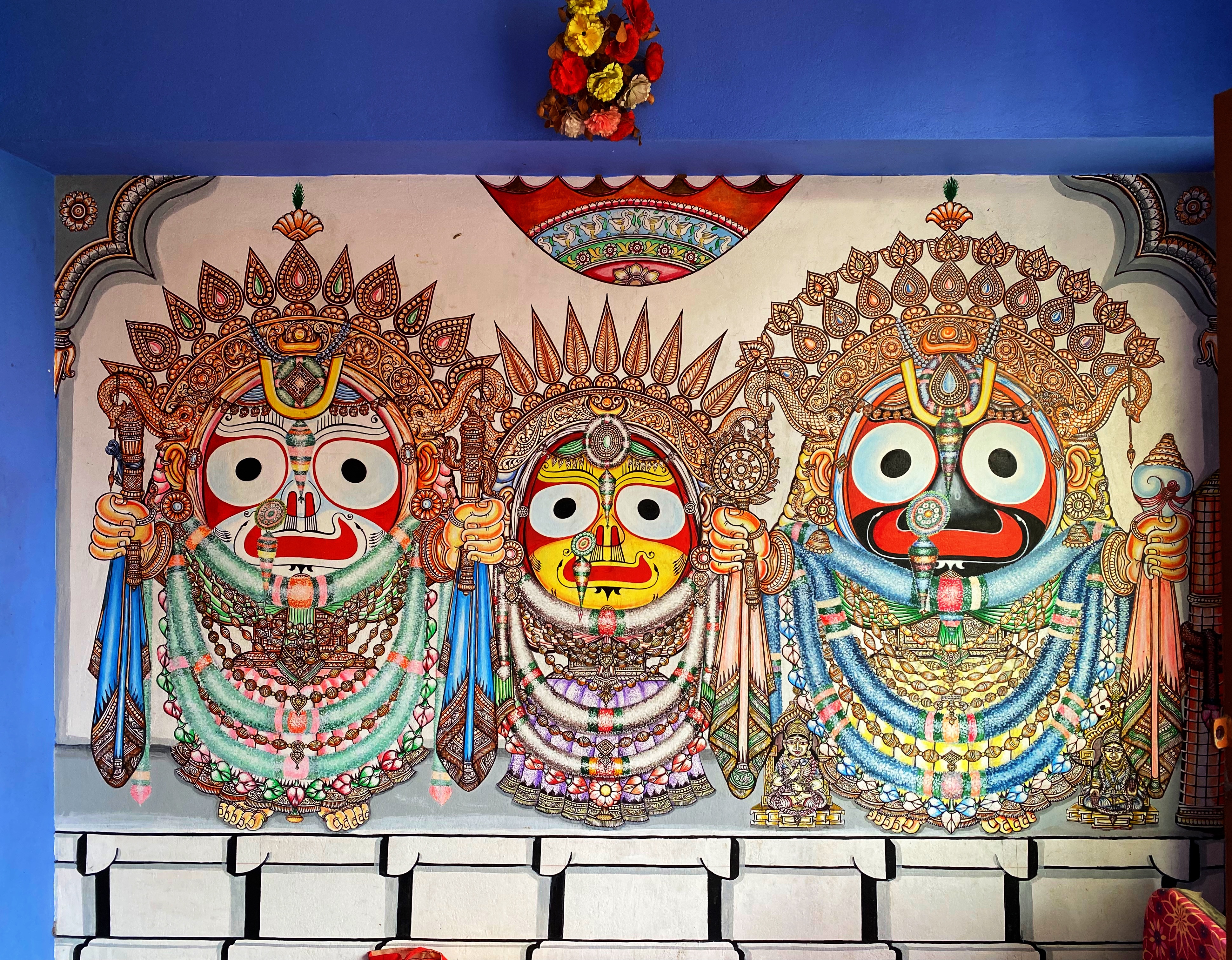
Raghurajpur Craft Village – About 14 km from Puri, nestled amid lush greenery and picturesque surroundings Raghurajpur village, is known for its rich cultural heritage and traditional art forms. The village is home to a community of skilled artisans who specialize in various traditional art forms, including Pattachitra, Tussar paintings, stone & wood carvings, palm leaf engravings, and cow dung toy making. These people have preserved this form of art for years and have passed down from generation to generation.
As I walked along the main street of the village, I saw the colorful houses decorated with beautiful paintings and sculptures. I was invited by various artists to their houses to observe their creative art, how the paintings are done, and to even buy their works directly from them. I bought some Pattachitra paintings by different artists. The visit to Raghurajpur provided me a unique opportunity to dive into the world of traditional art and discover the rich artistic heritage of Odisha.
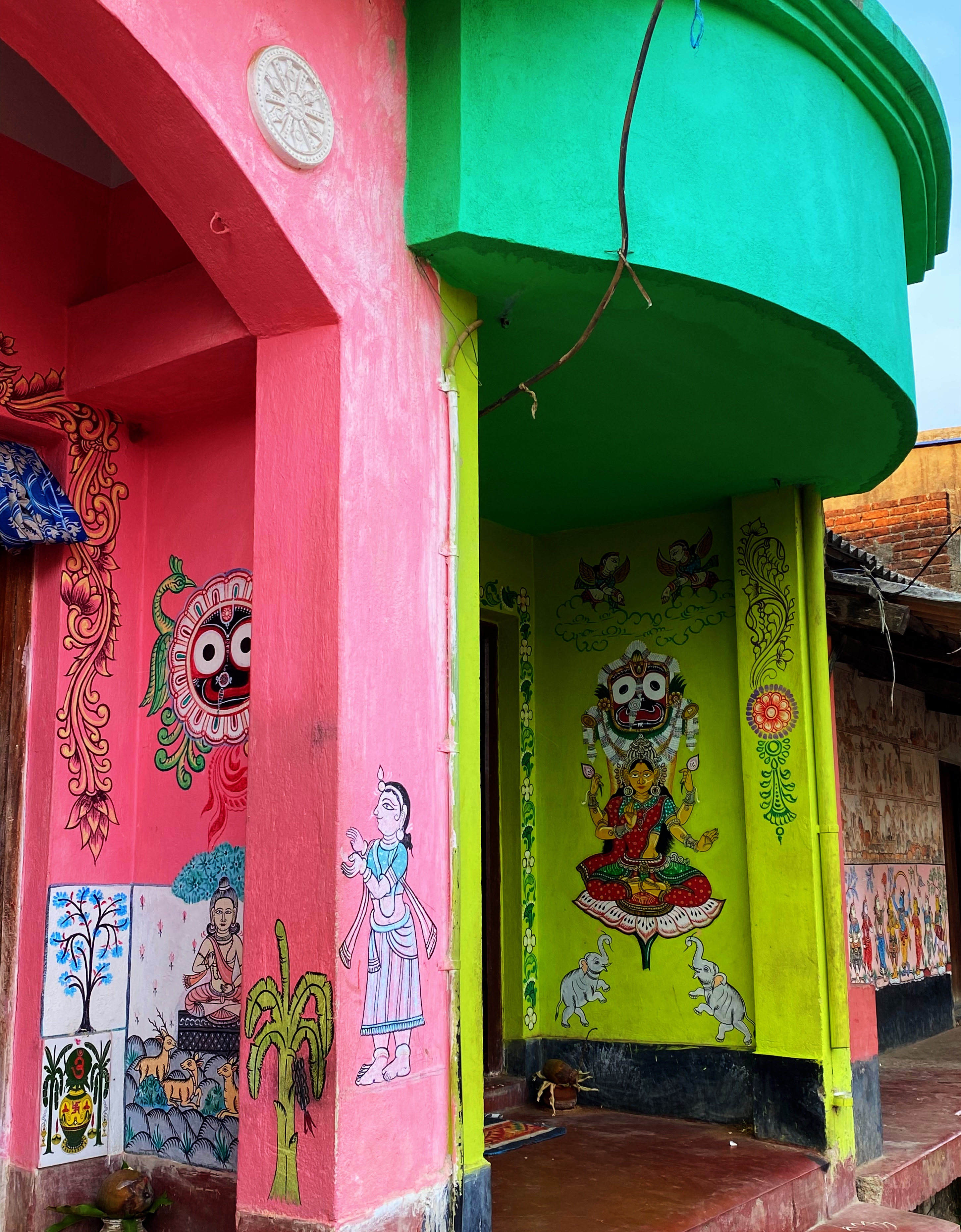
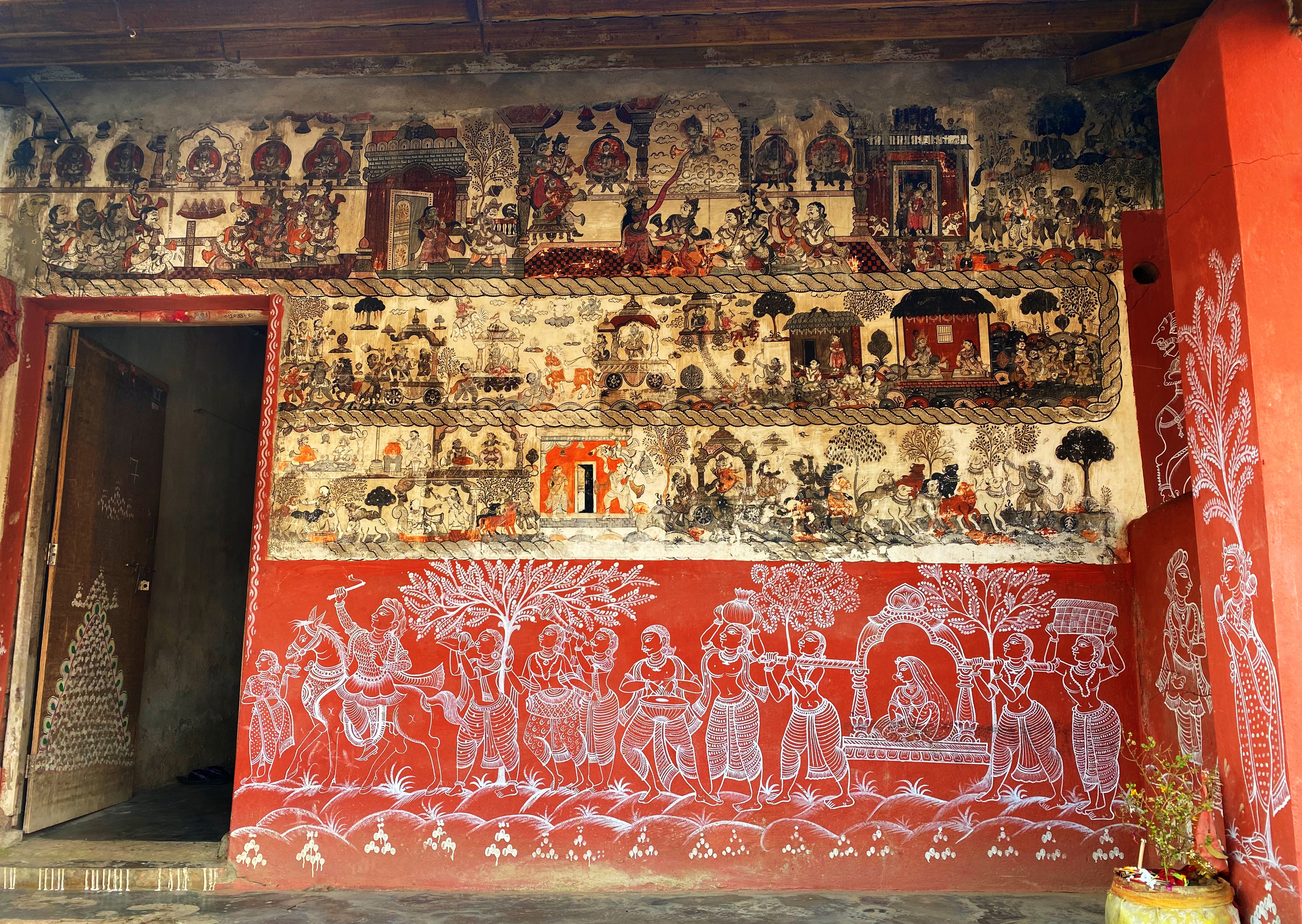
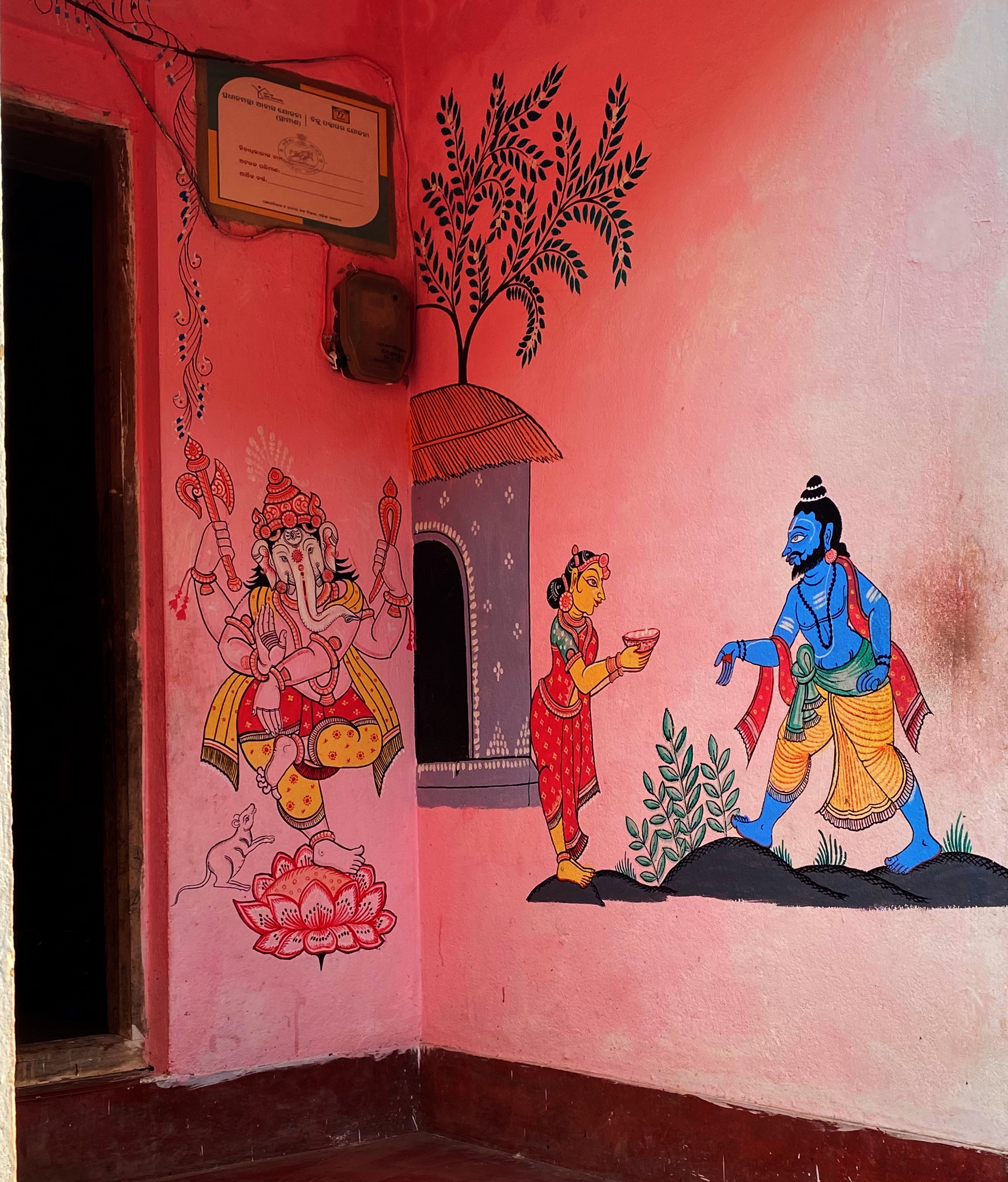
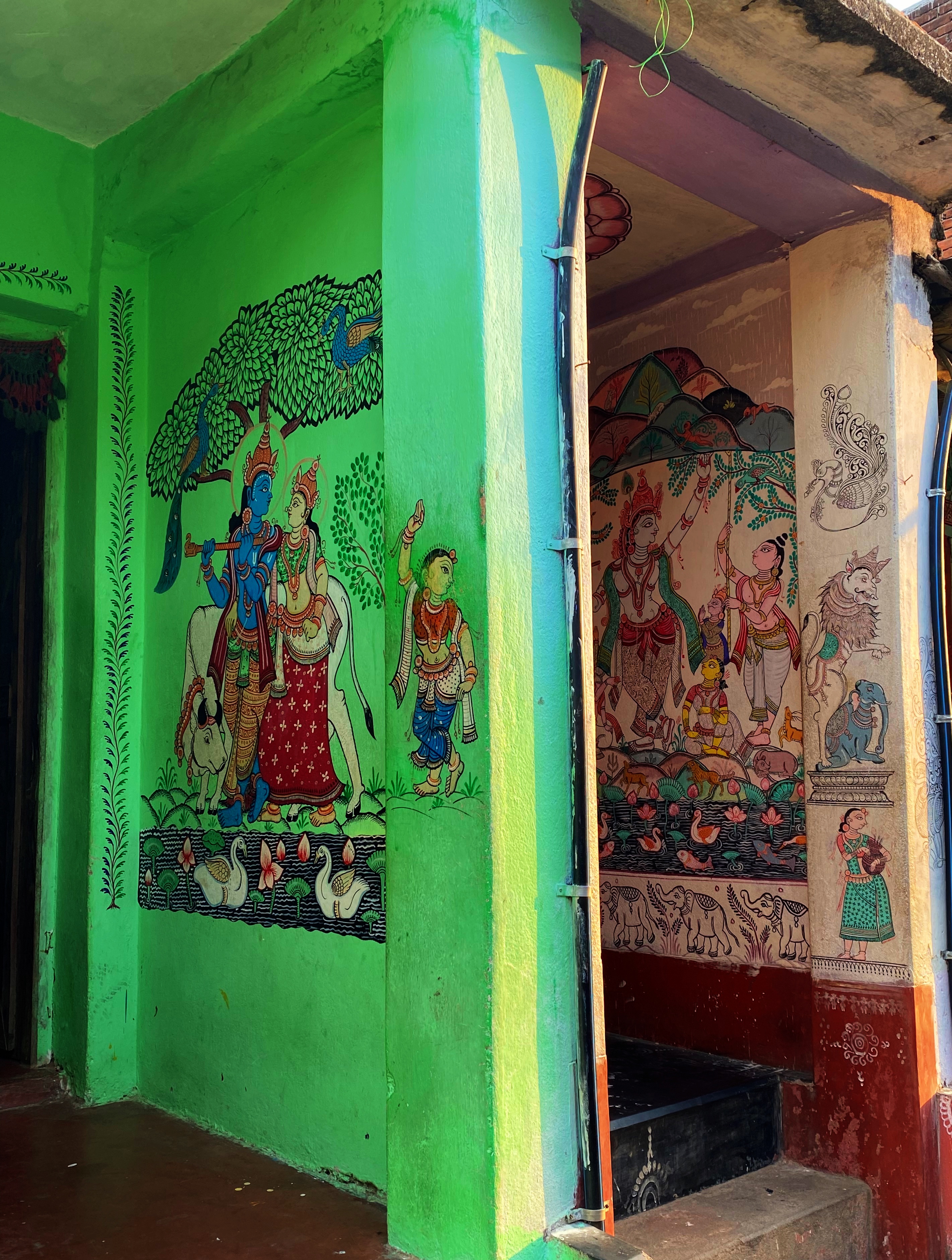
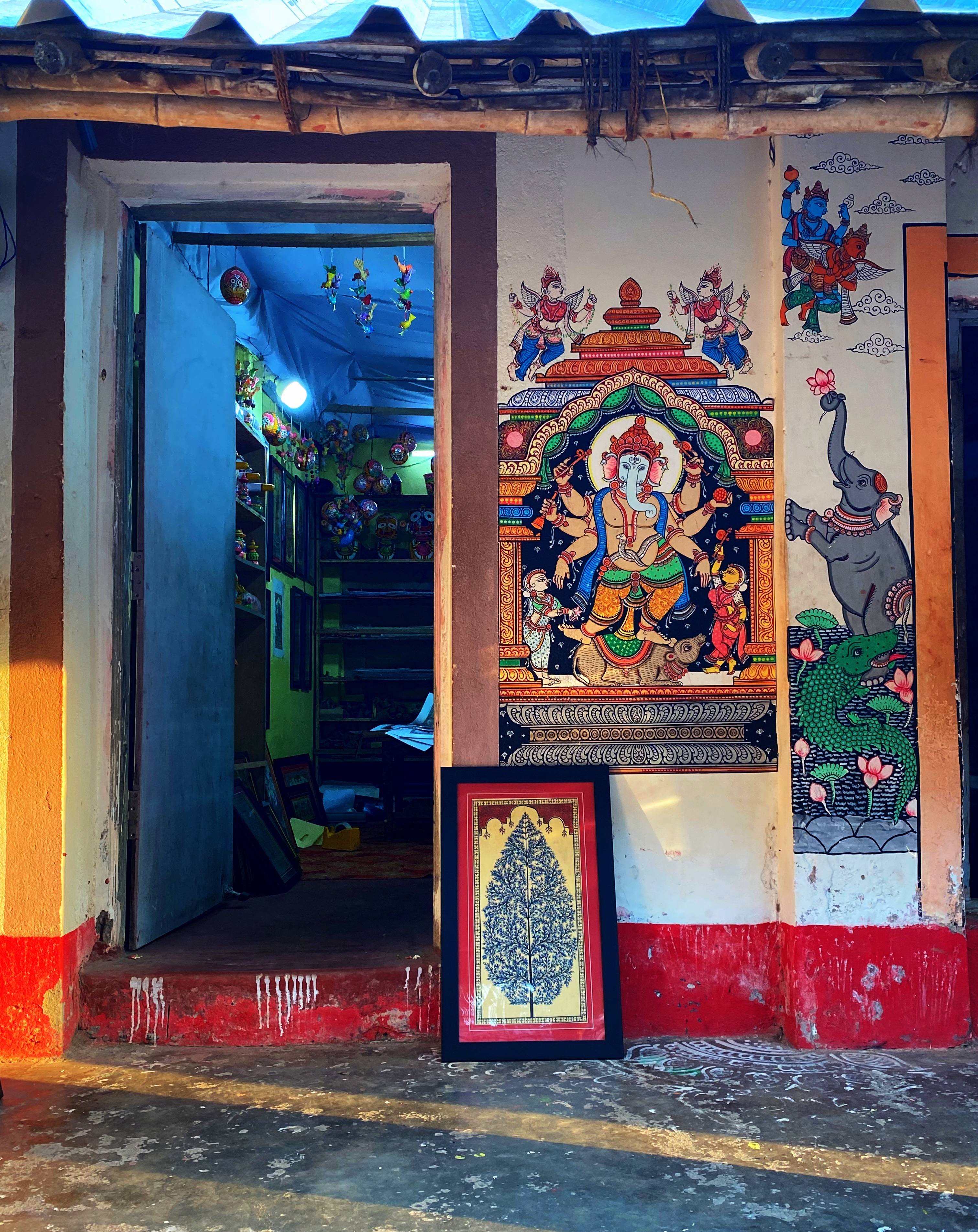
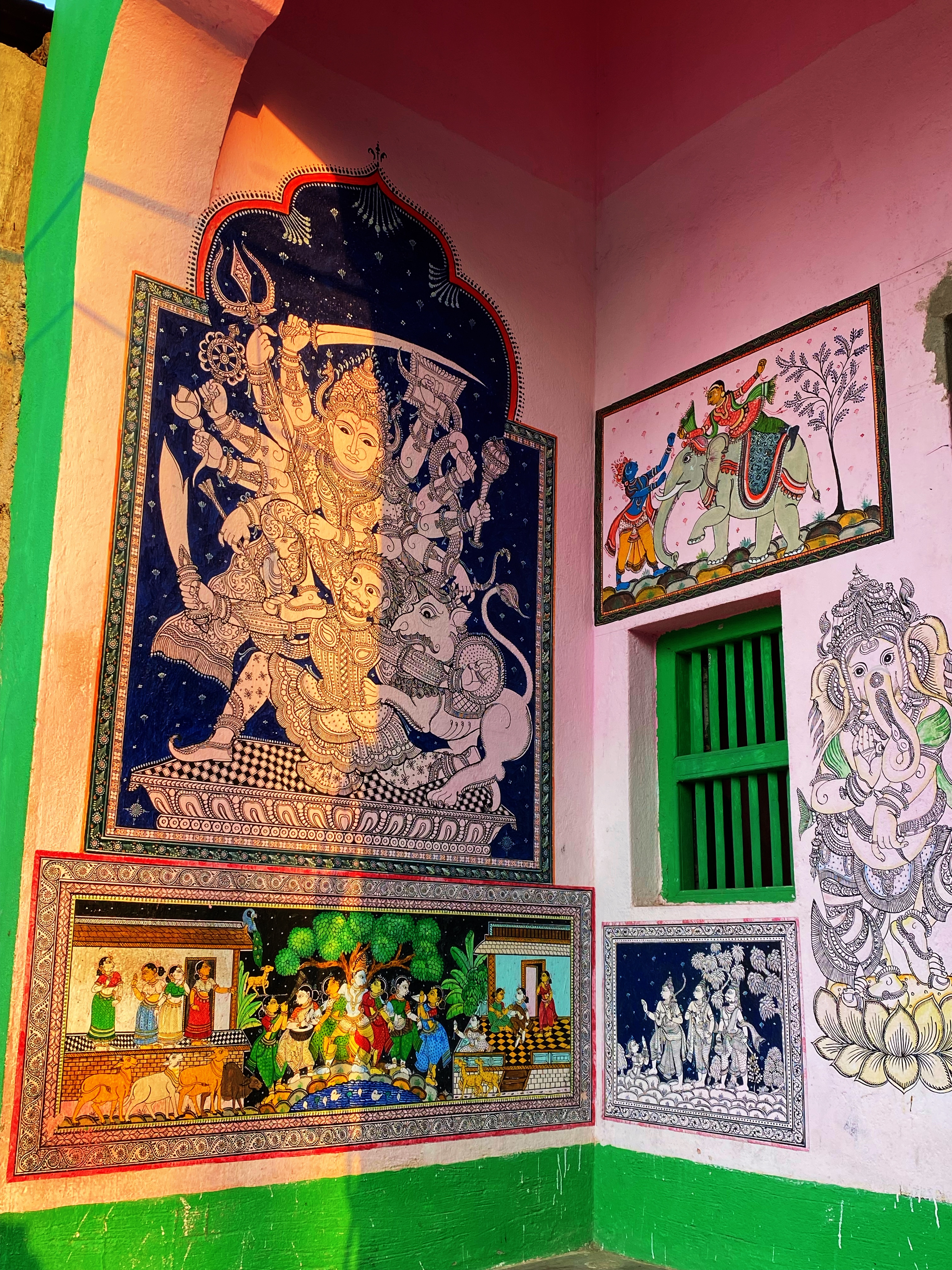
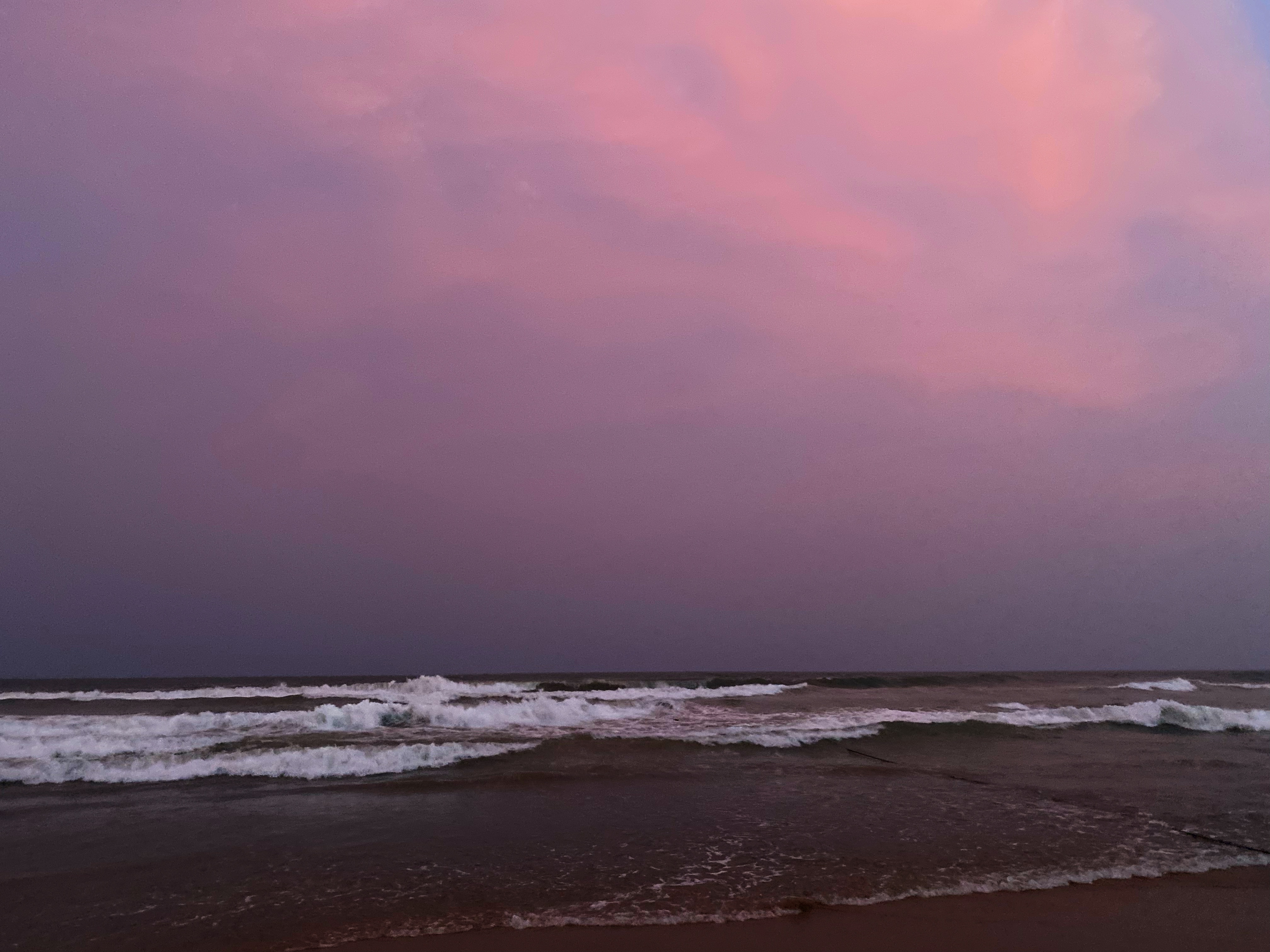
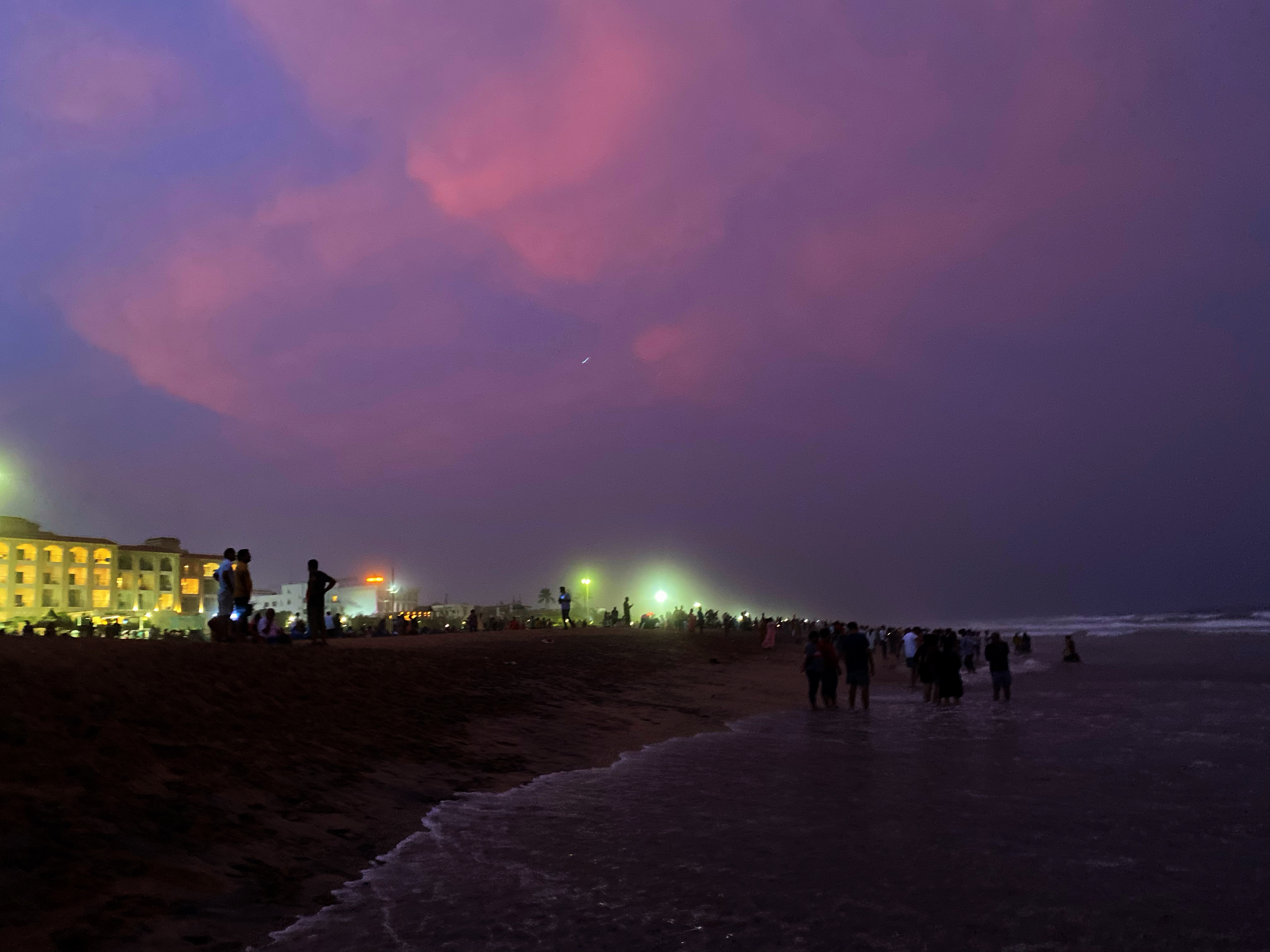
Beaches of Puri – Puri is located on the coastline of Odisha, along the Bay of Bengal, which has blessed Puri with sandy beaches with long stretches of golden sand. I only had time to visit golden beach and sea beach while I was in Puri. The sea beach features plenty of food stalls offering fresh seafood and other local delicacies. The Golden Beach has no food stalls and visitors must pay an entrance fee to visit the beach.
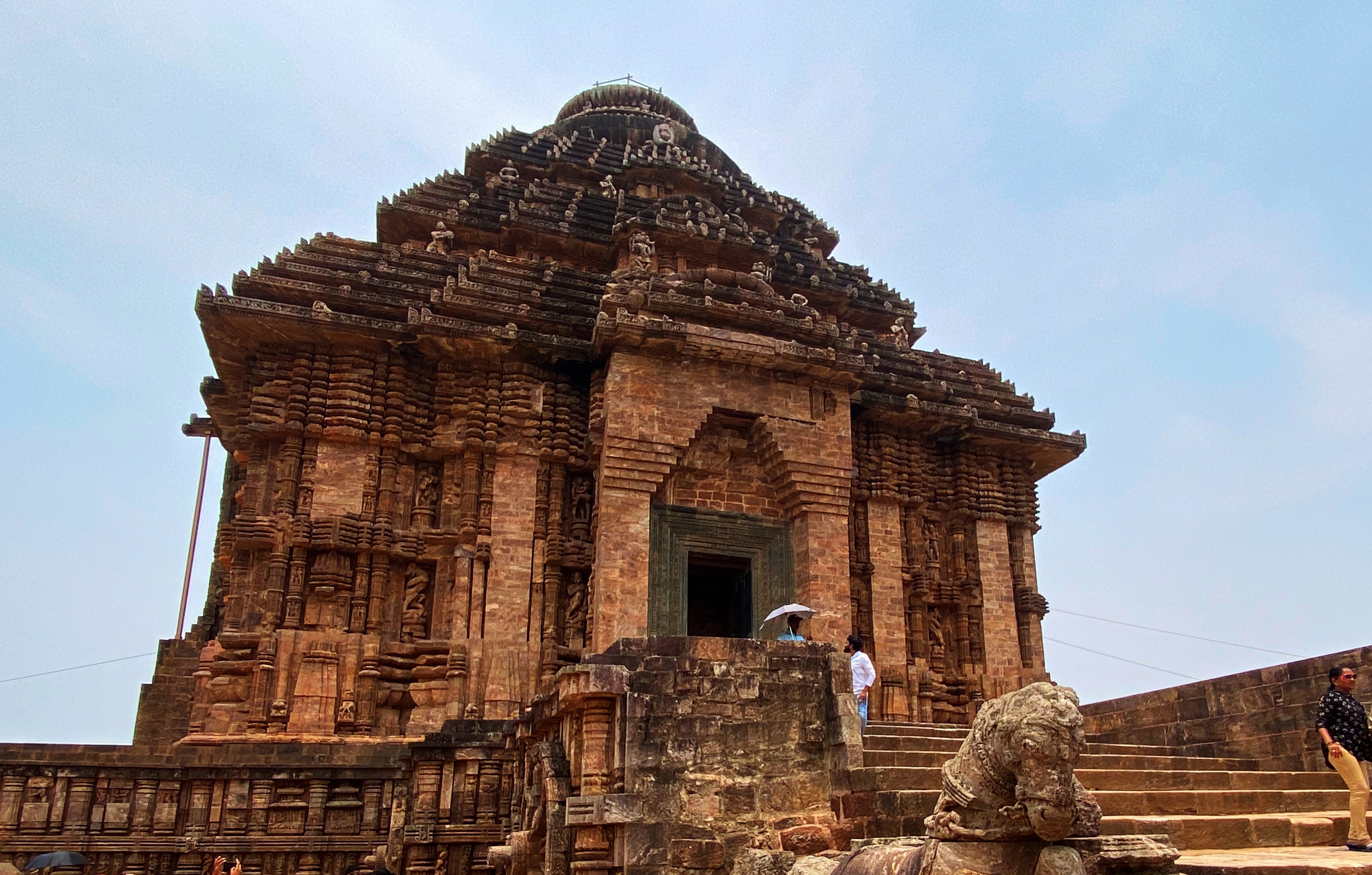
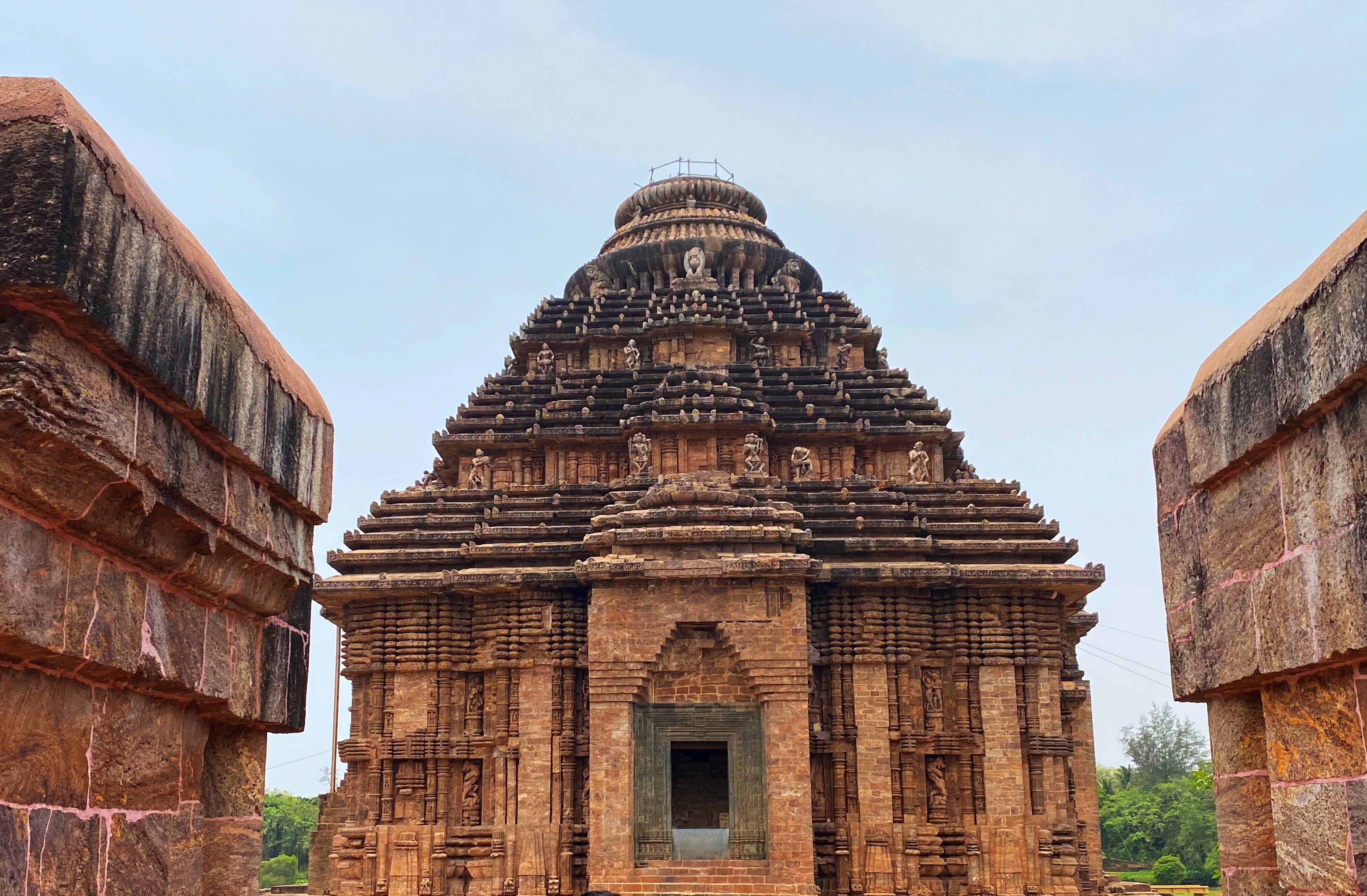
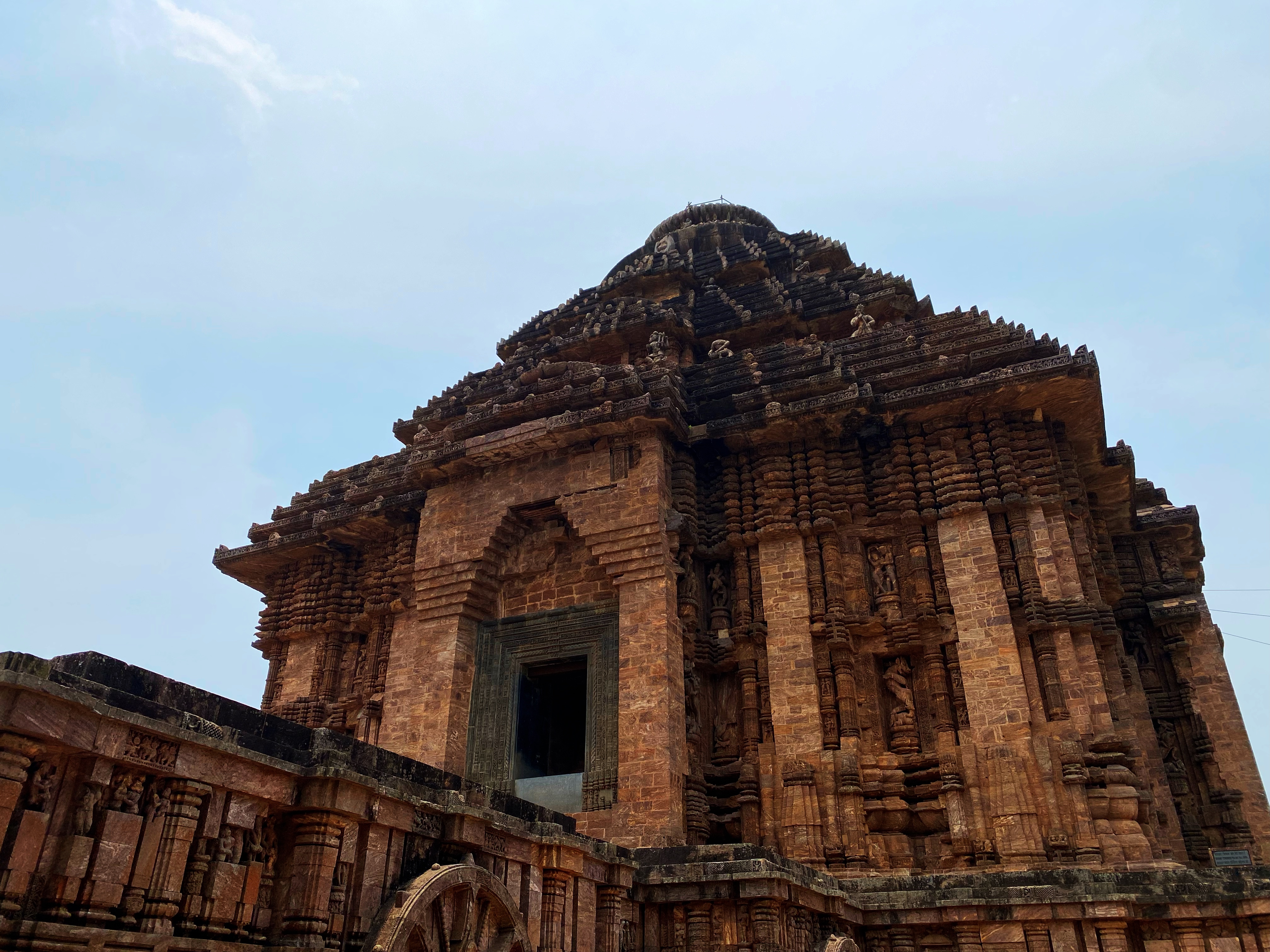
Konark Sun Temple – Situated about 35km from Puri, Konark is famous for the Sun Temple which is also known as the black pagoda. I made it to Konark at about 9:00am.
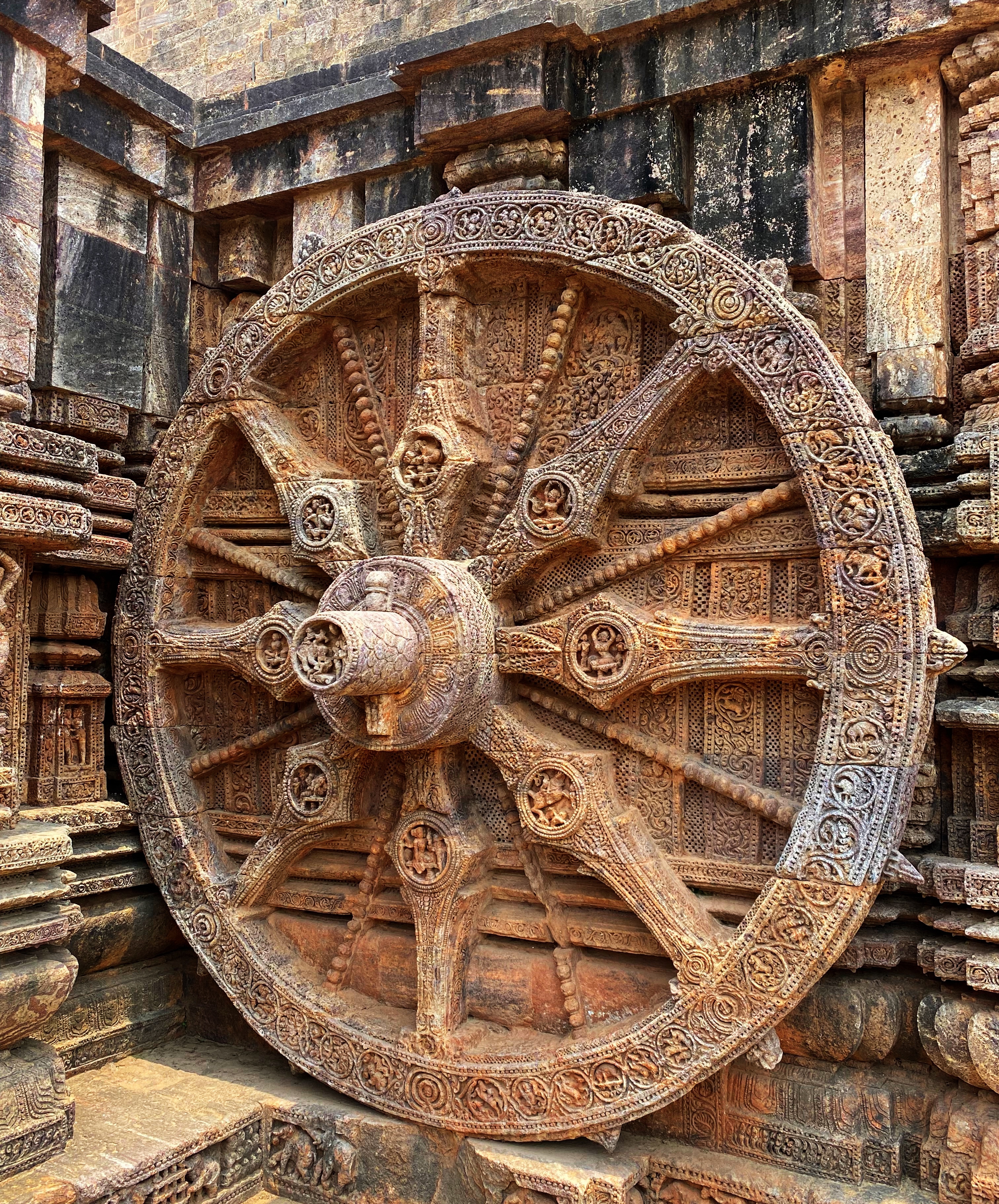
The Konark Sun Temple was built in the 13th century by King Narasimhadeva-I of the Eastern Ganges dynasty. It is renowned for its complex stone sculptures and architectural brilliance. The temple is designed as a gigantic chariot, with 24 wheels of finely carved stone pulled by seven horses. The whole structure is sculpted in black granite and testifies to the exceptional craftsmanship of the former Odisha.
The temple is devoted to Lord Surya, the sun god of Hindu mythology. The chariot-shaped structure represents the chariot of the sun deity, with the seven horses symbolizing the days of the week. The wheels of the chariot are decorated with elaborate sculptures depicting various aspects of life, mythology, and heavenly beings. The temple complex is decorated with finely carved sculptures of different gods, goddesses, celestial beings, animals, and erotic figures. The sculptures present not only the artistic prowess of the artisans but also mythological histories, scenes of daily life, and cultural aspects of ancient Odisha.
I had a guide show me the temple and the compound. The guide was very proficient; he spoke about mythology and showed me various sculptures that I would have missed observing. It took me about 2 hours to see the temple in detail. There is a museum and auditorium where a short movie is shown to visitors informing them about the history of the temple.
Tip:
Hire a government-approved guide, not only they will talk about the history and show you around, but they can also bypass the long ticket queue to get you into the complex quicker.
I began my journey between Konark and Bhubaneshwar around midday.
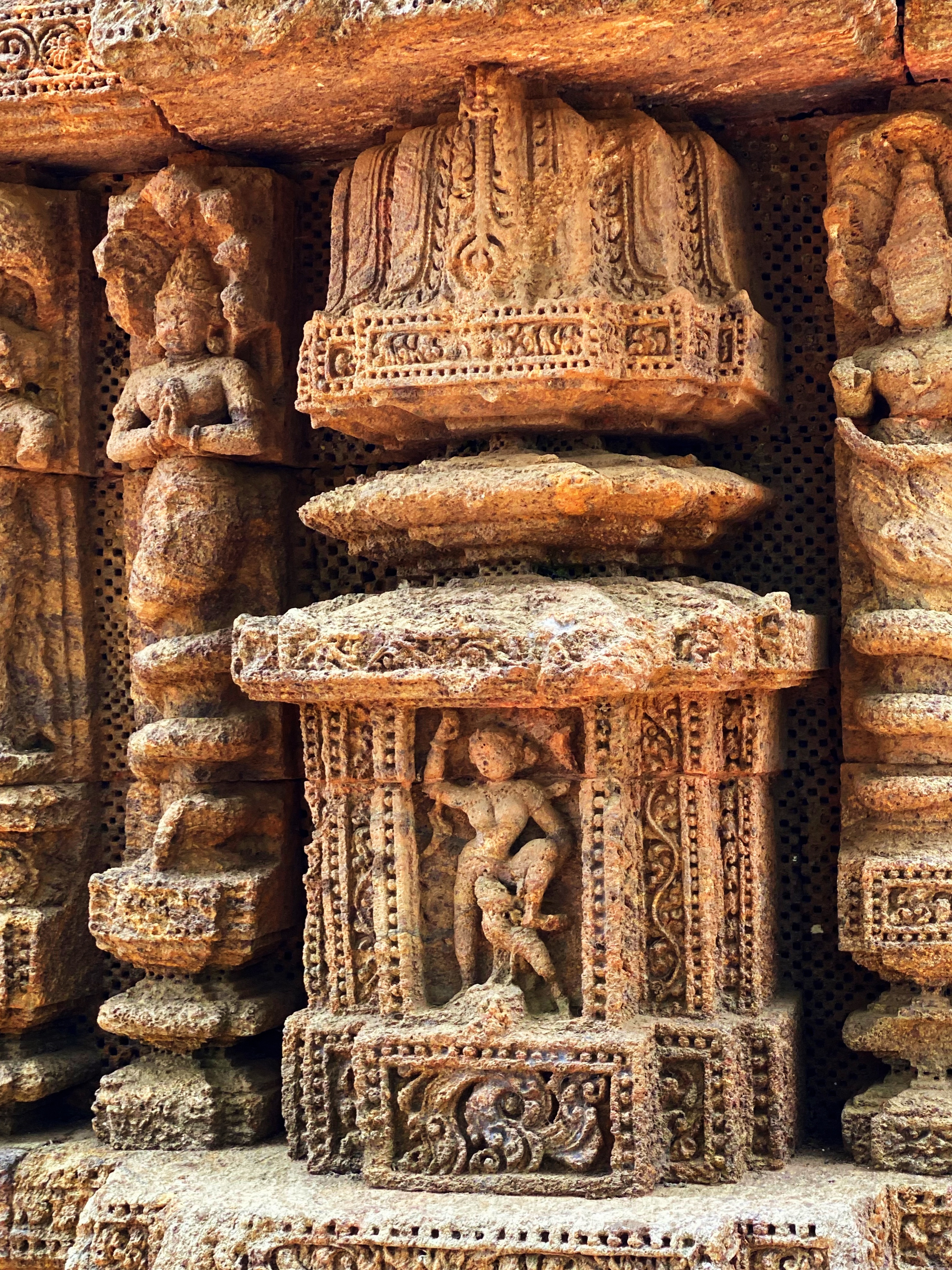
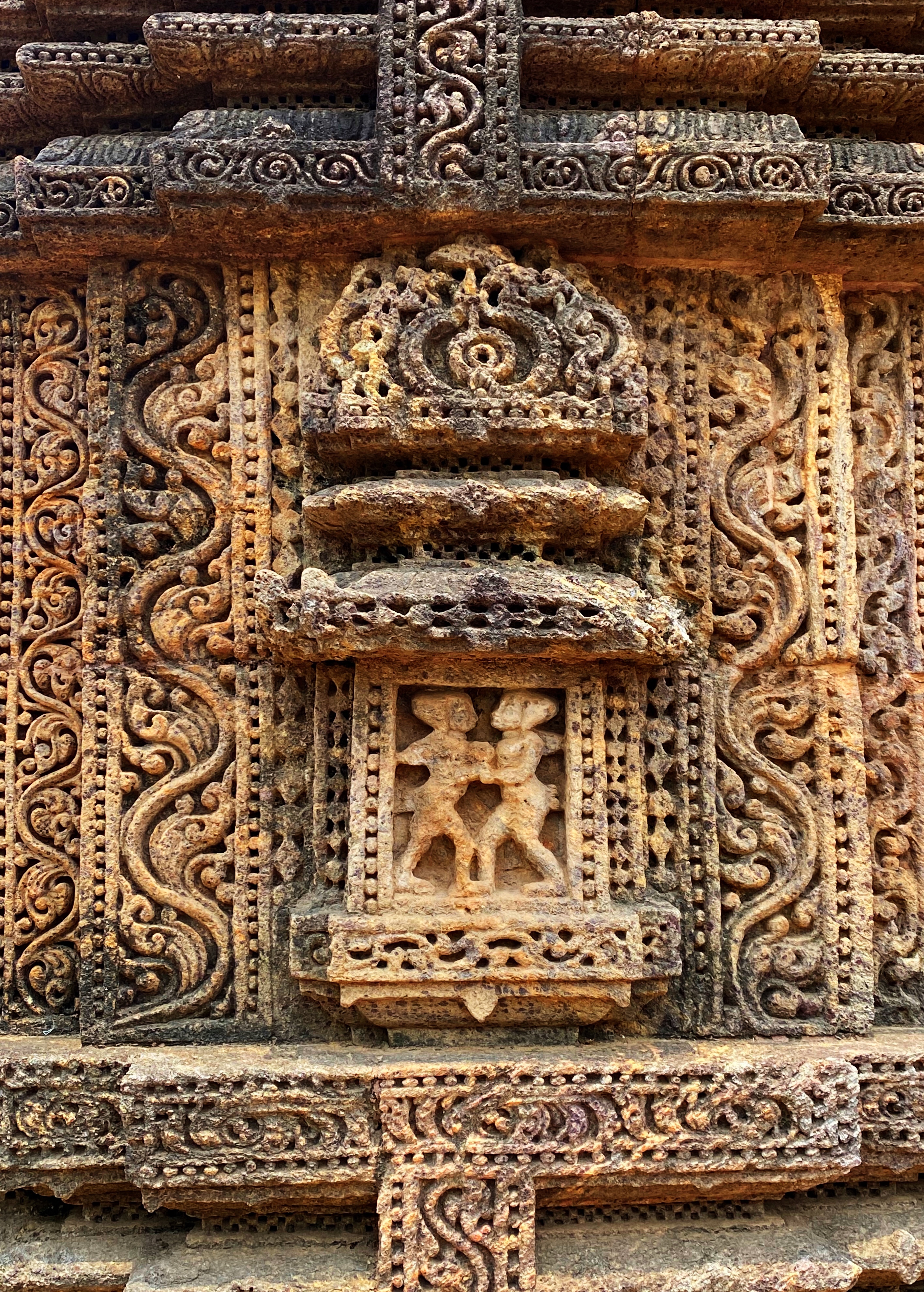
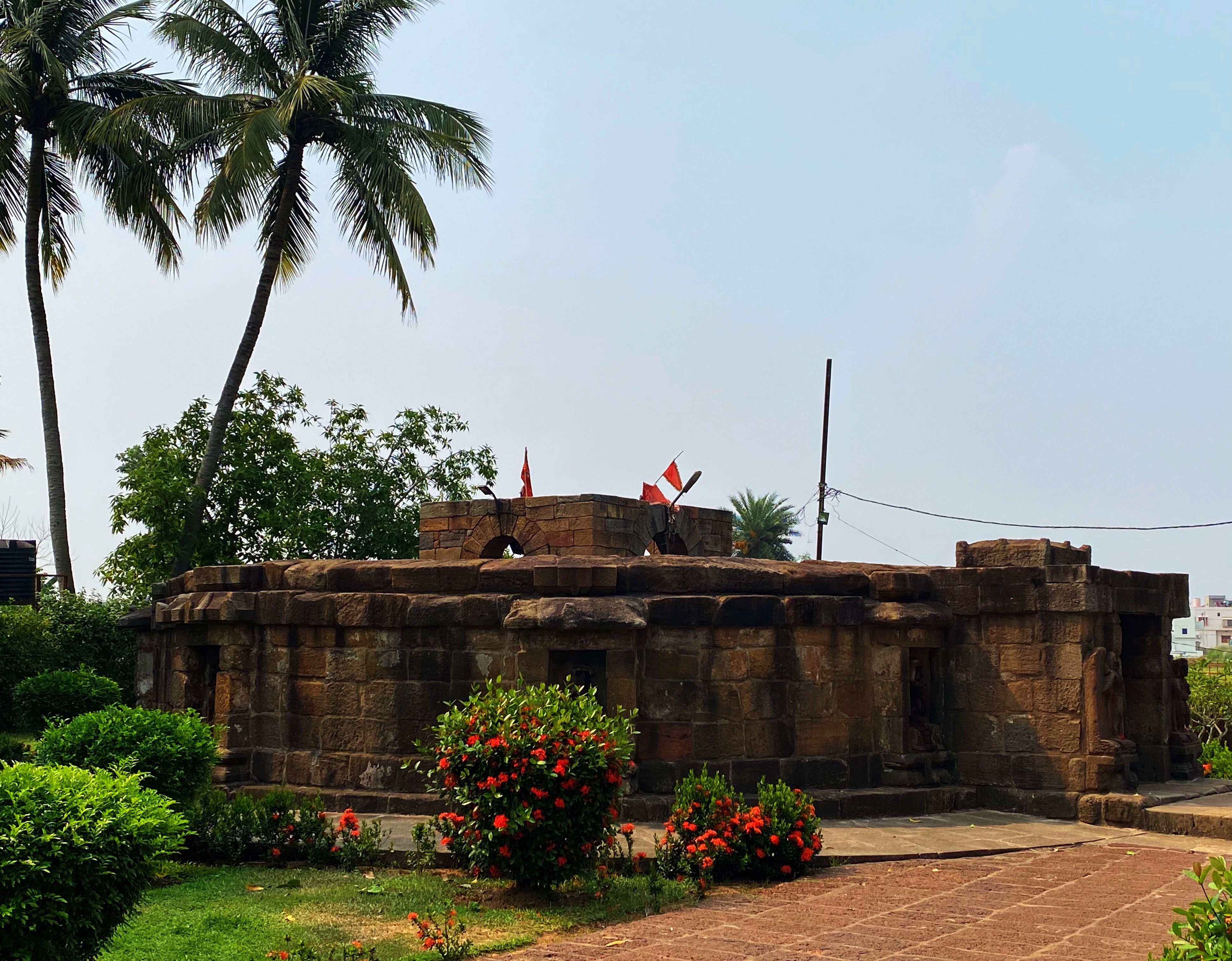
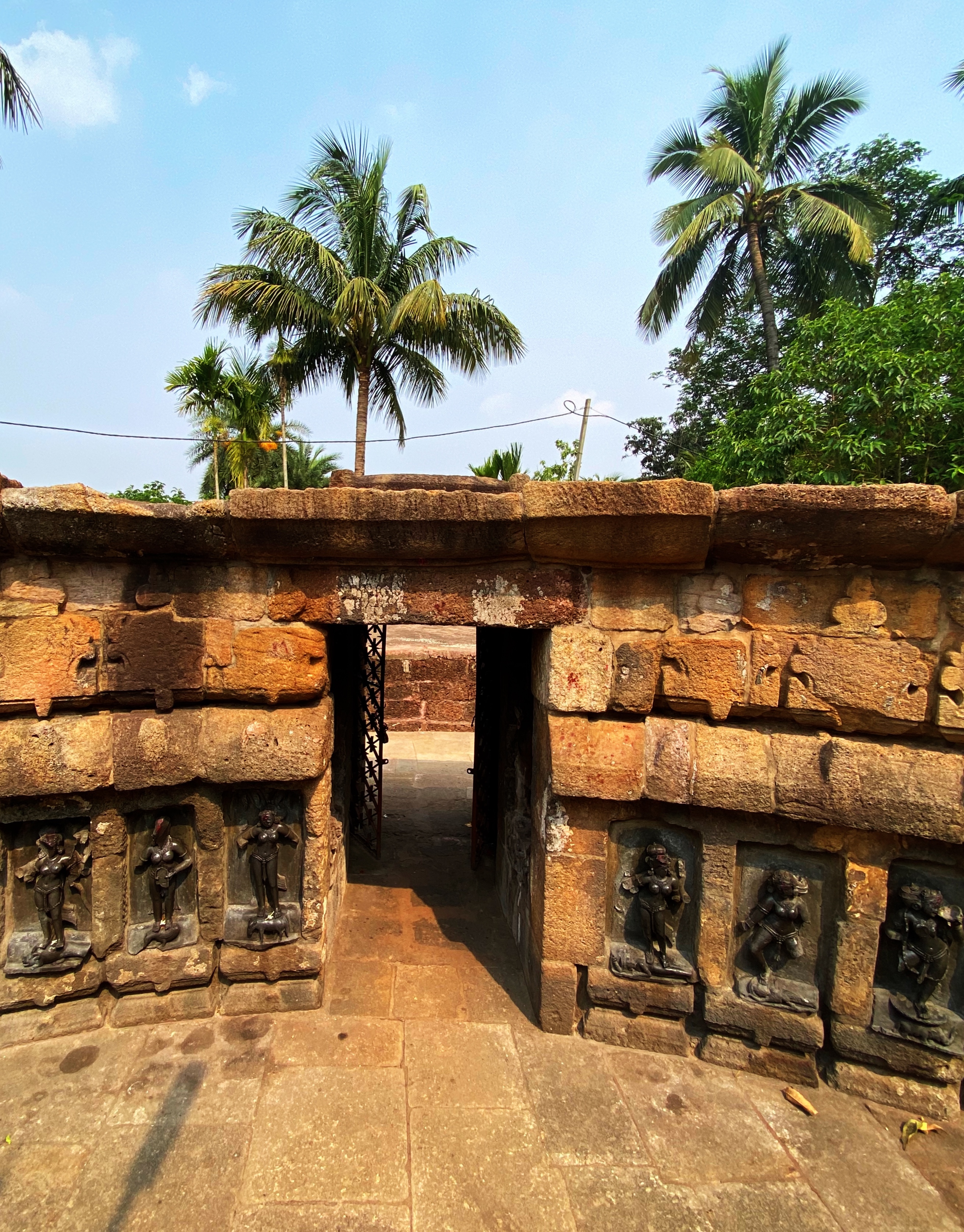
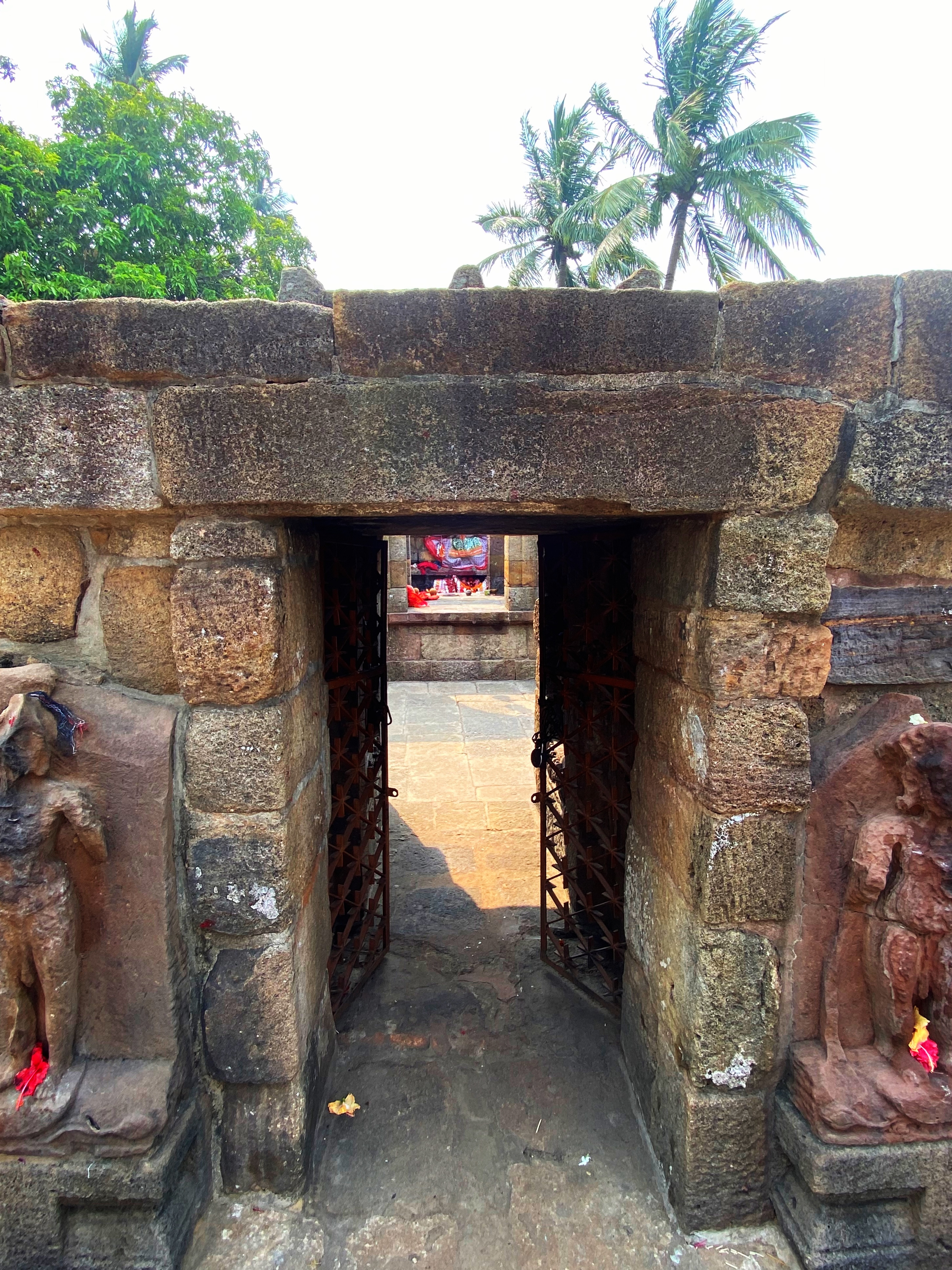
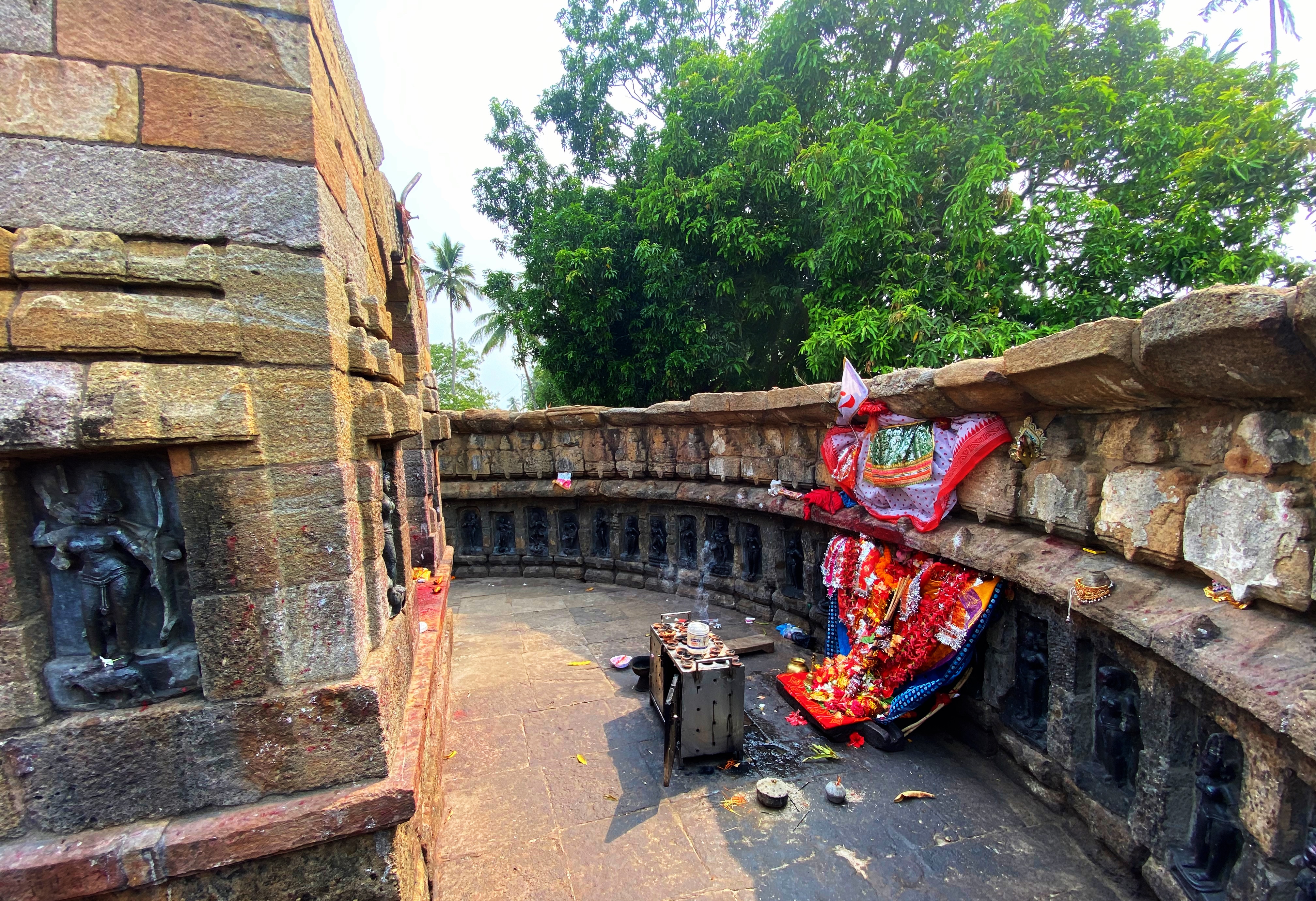
64 Yogini Temple – On the outskirts of Bhubhabeshwar in the middle of the quaint village and quiet atmosphere, I visited Chausath(64) Yogini Temple. The temple dates back to the 9th century and was supposedly built during the reign of the Bhaumakara dynasty. The temple reflects the architectural style of the Kalinga area and provides insights into ancient tantric practices and spiritual beliefs prevailing during this period.
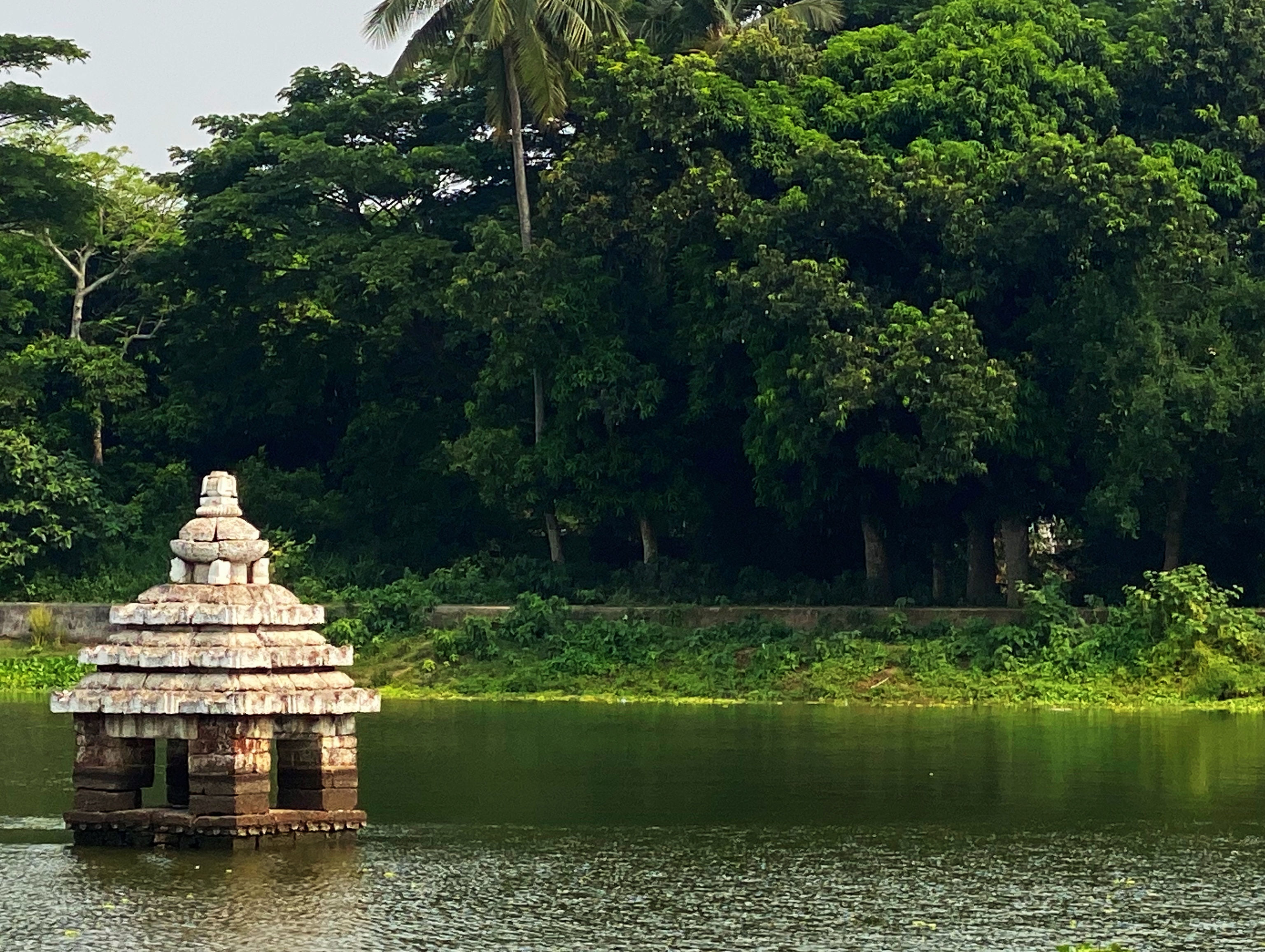
The roofless temple is a round structure, with a small access gate. The interior walls have 64 chambers, each dedicated to a different Yogini divinity with unique features and attributes. Just outside the temple a large pond and garden provide a unique environment and add to the peaceful and relaxing setting of the village.
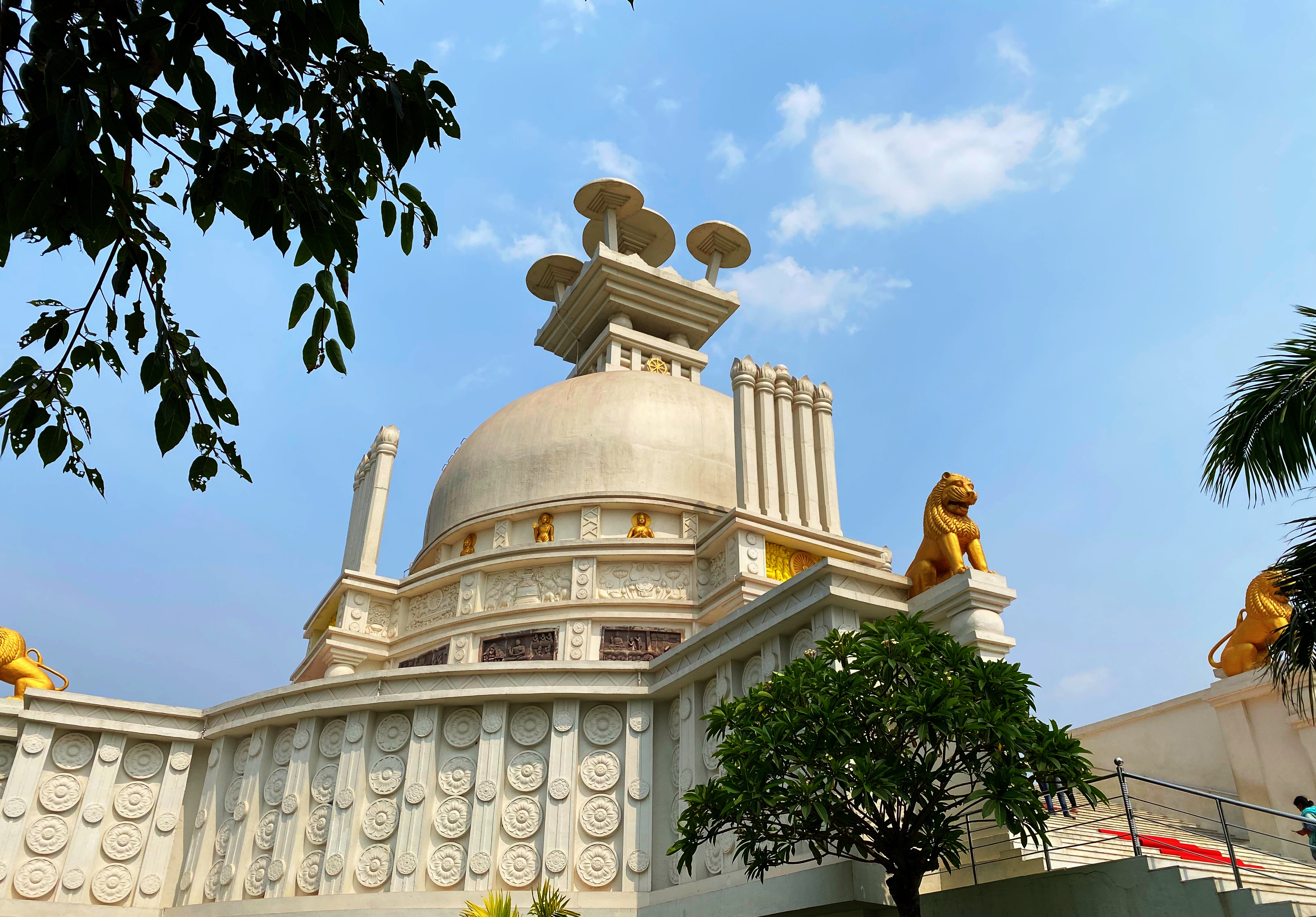
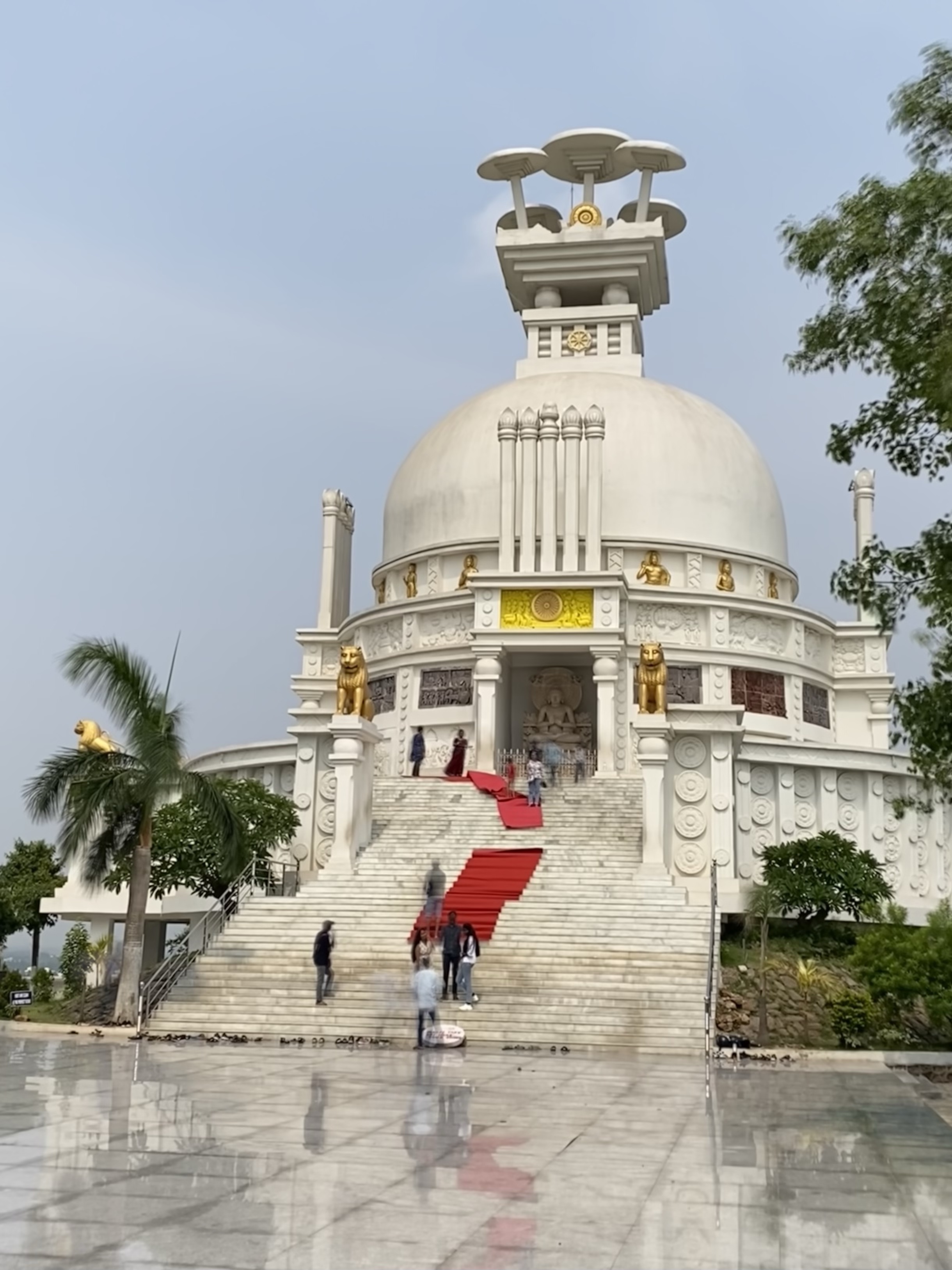
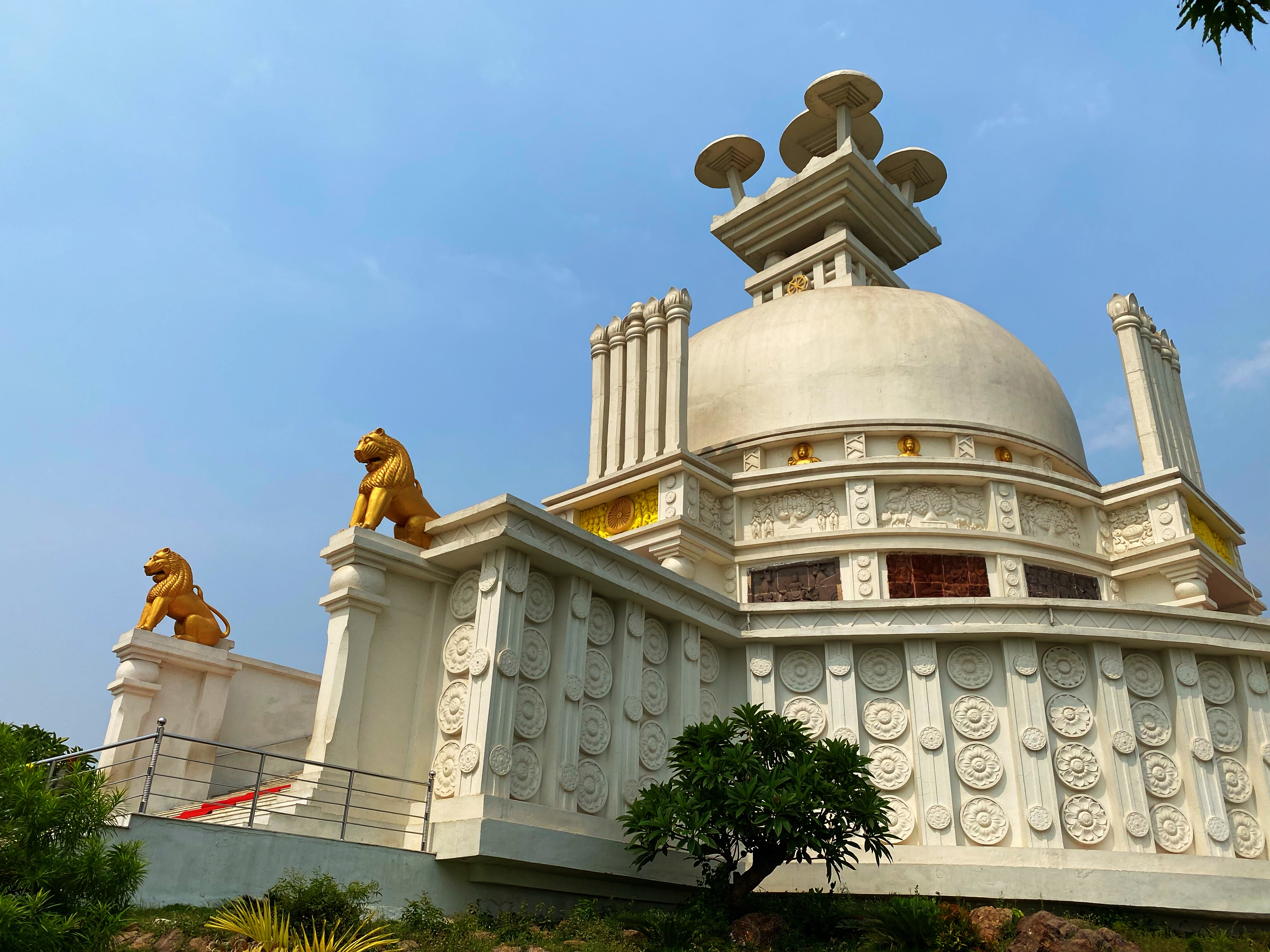
Peace Pagoda Dhauli – Nestled between green and serene hills in the village of Dhauli, the Peace Pagoda aka Shanti Stupa stands as a symbol of peace and non-violence. Legend has it that Dhauli is where the Kalinga War was fought in ancient times. After witnessing the devastation of the war, Emperor Ashoka embraced Buddhism and gave up violence.
It was built to commemorate the teachings of Lord Buddha and to promote harmony and tranquillity between people of different life horizons.
As I ascended the hill, I saw the striking white structure with a dome. The peaceful atmosphere and panoramic views created a perfect setting for introspection, and I sat there to meditate for some time.
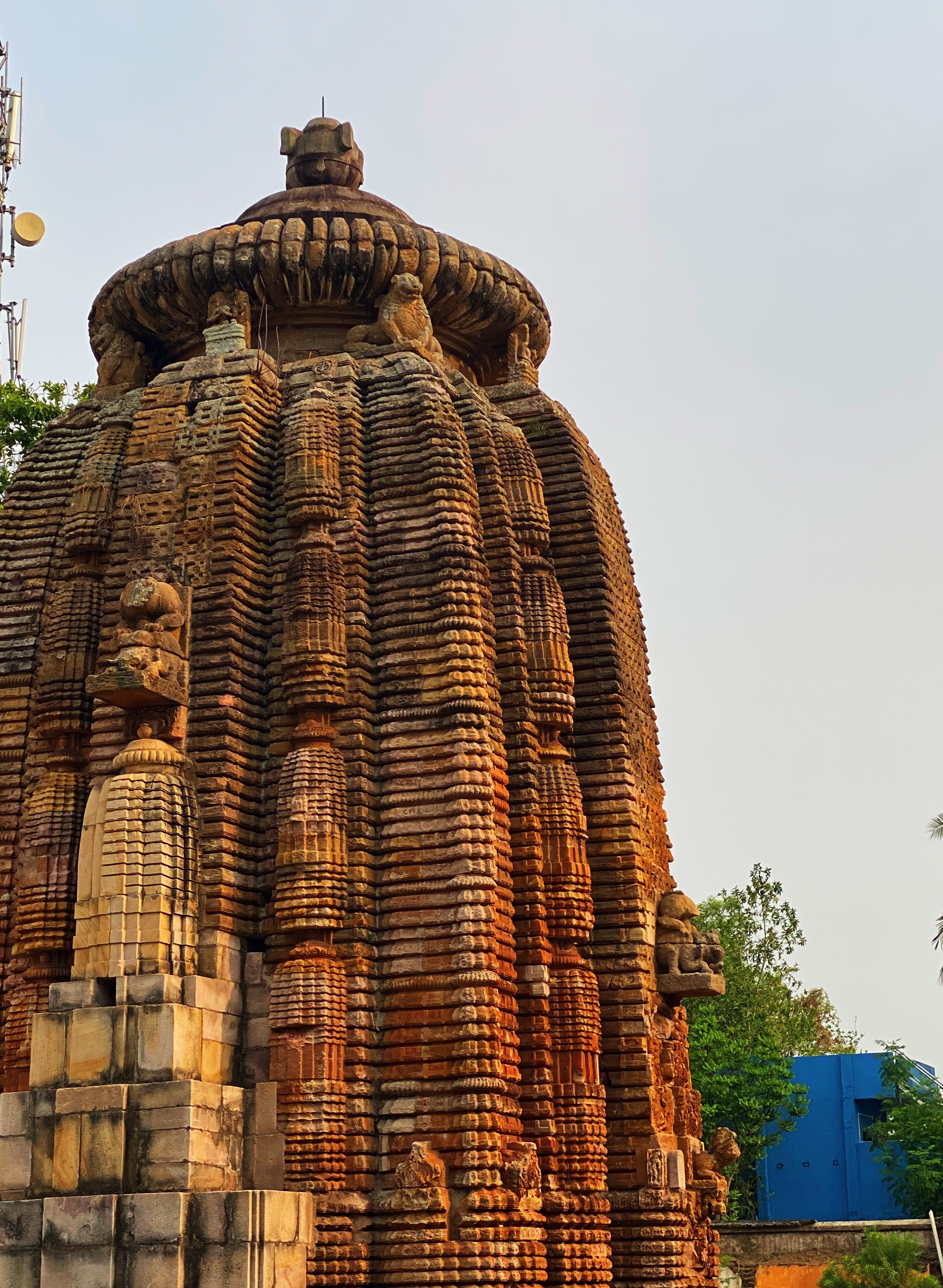
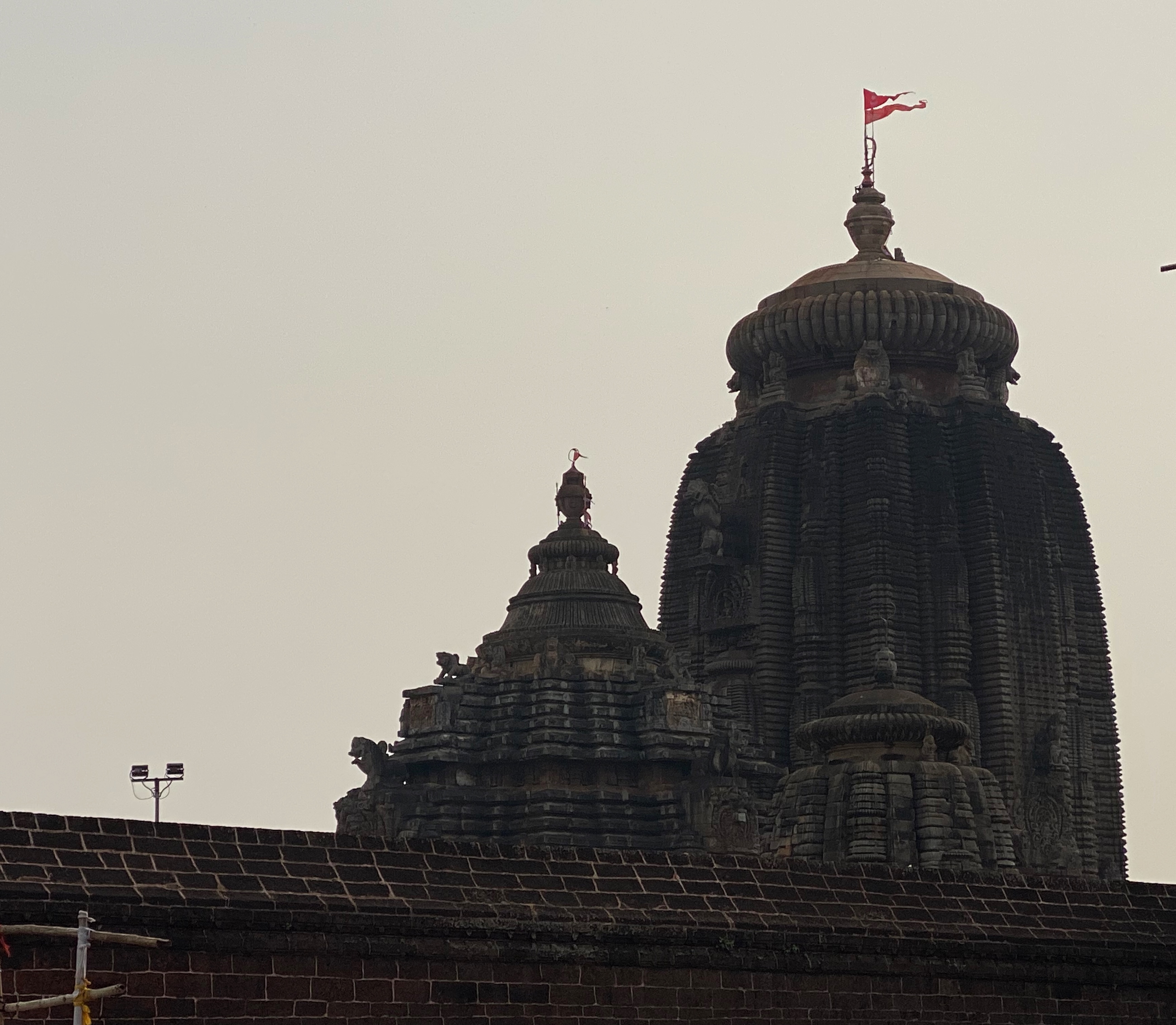
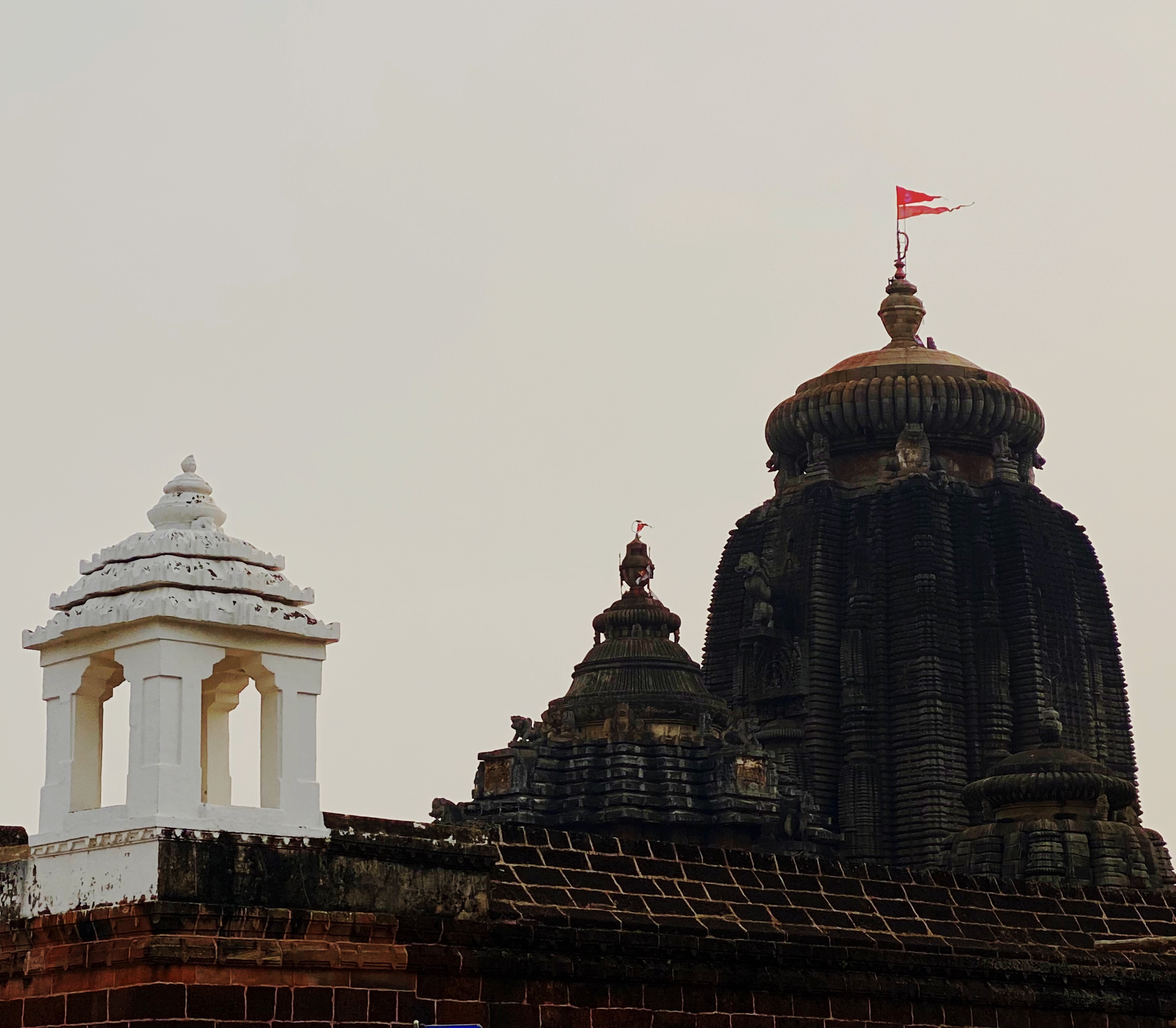
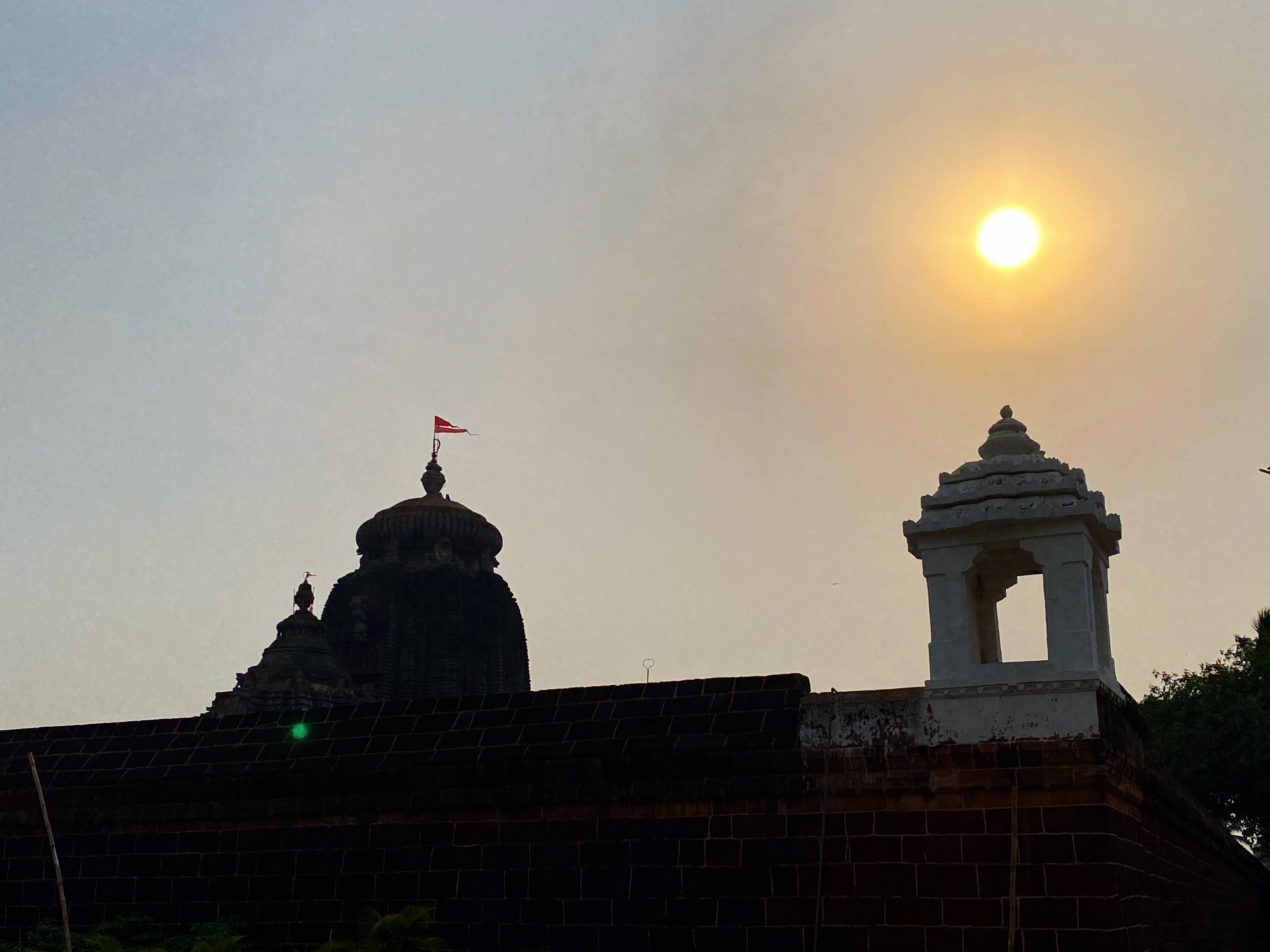
Lingaraj Temple – In the midst of the city of Bhubneshwer, I visited the temple of Lingaraj, which is one of the most important and venerated temples dedicated to Lord Shiva. The history of the Lingaraj temple dates back to the 11th century, during the reign of the Somavamsi dynasty. Throughout the centuries, various sovereigns and dynasties, including the Ganges and the Gajapati kings, have contributed to the expansion and renovation of the temple.
The Lingaraj temple complex includes not only the main shrine dedicated to Lord Lingaraj but also many smaller shrines dedicated to other divinities of the Hindu pantheon. The exterior of the temple is decorated with intricate sculptures, representing various deities, mythological narratives, and religious motifs.
Tips:
Mobile phones or cameras are not allowed inside the temple, there is an area beside the temple entrance where visitors can deposit personal items.
Try not to hire those who approach you to show you the temple complex and offer other pooja services. The temple committee has advisory posts inside the temple to not engage with such people because they may end up defrauding you.
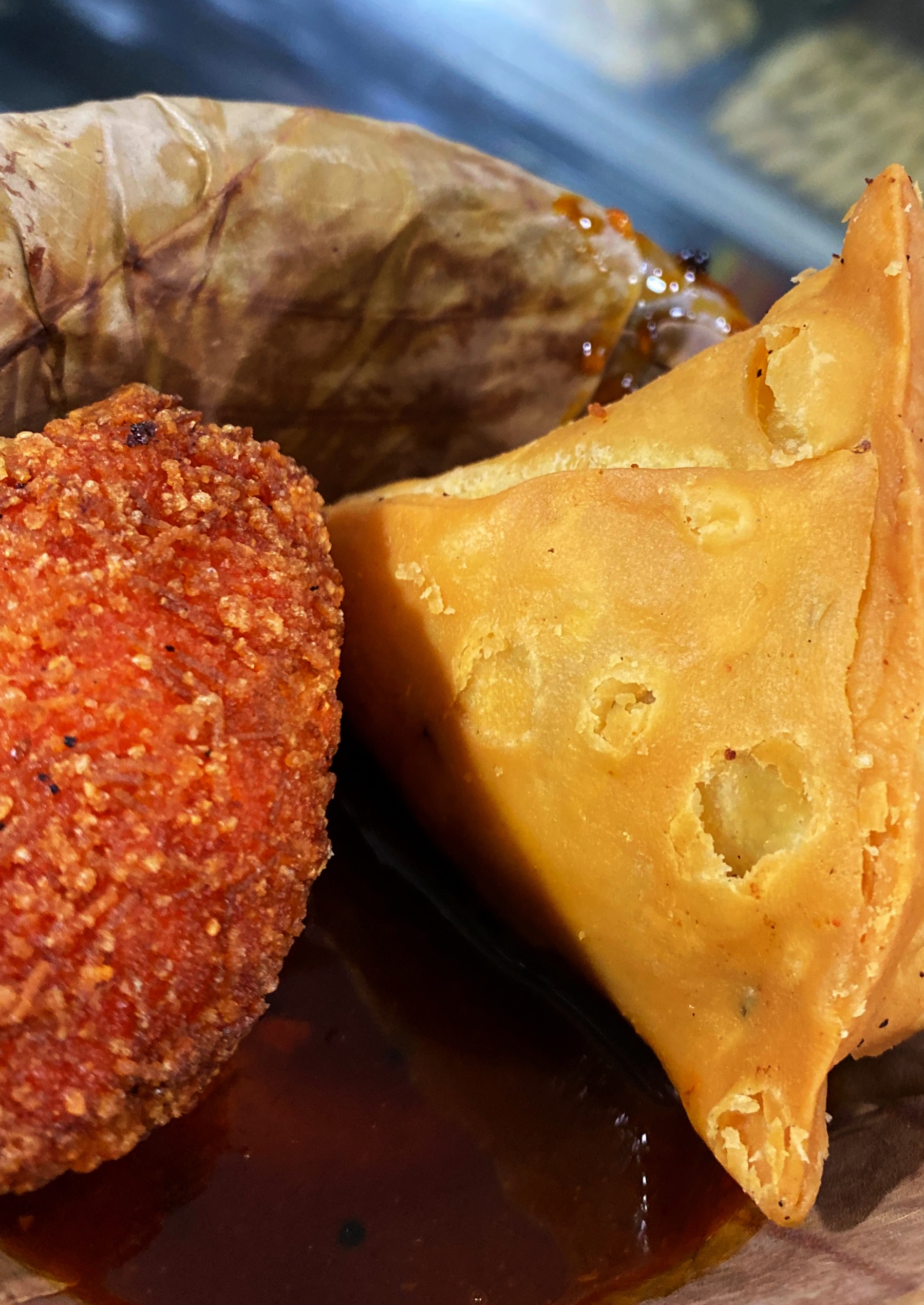
Whilst I was busy visiting the places above, I didn’t defocus to try the excellent Odia dishes.
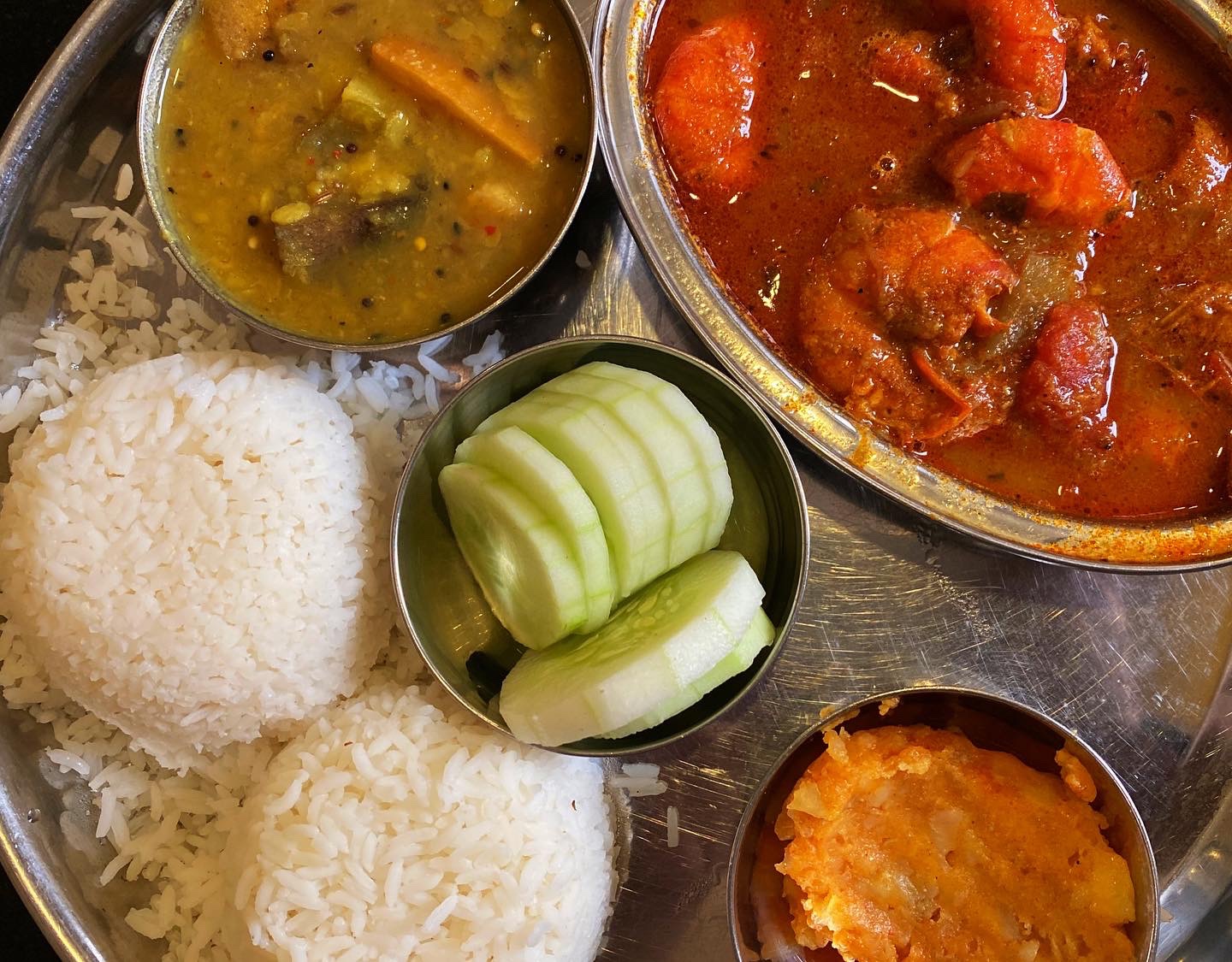
- Dalma: Made by cooking toor dal along with a variety of vegetables, it was a hearty dish full of flavors.
- Dahi Baingan: Slices of fried aubergines cooked with a yogurt-based sauce infused with flavors of various spices, a tangy dish with a velvety texture, it was a treat to my taste buds.
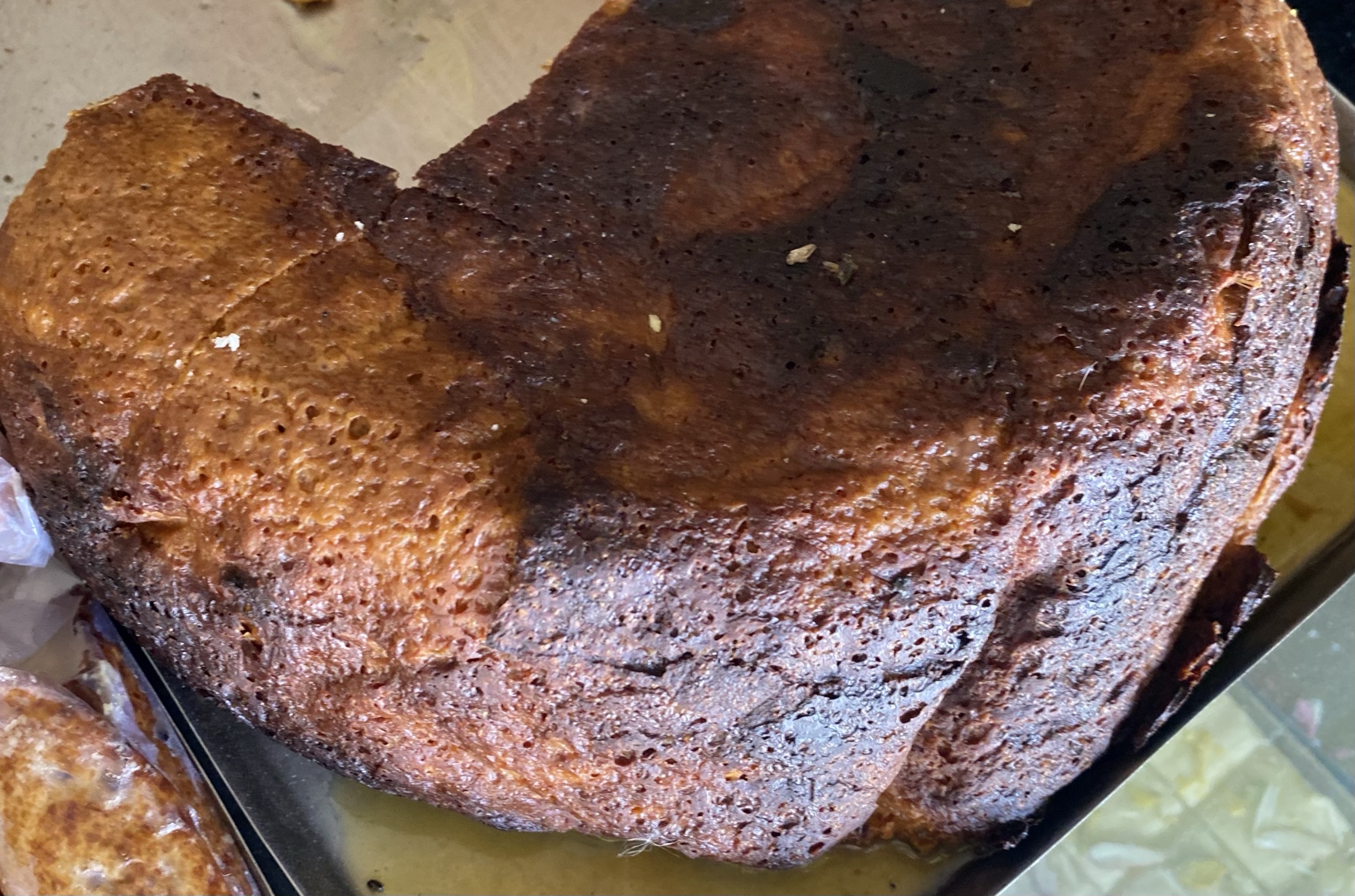
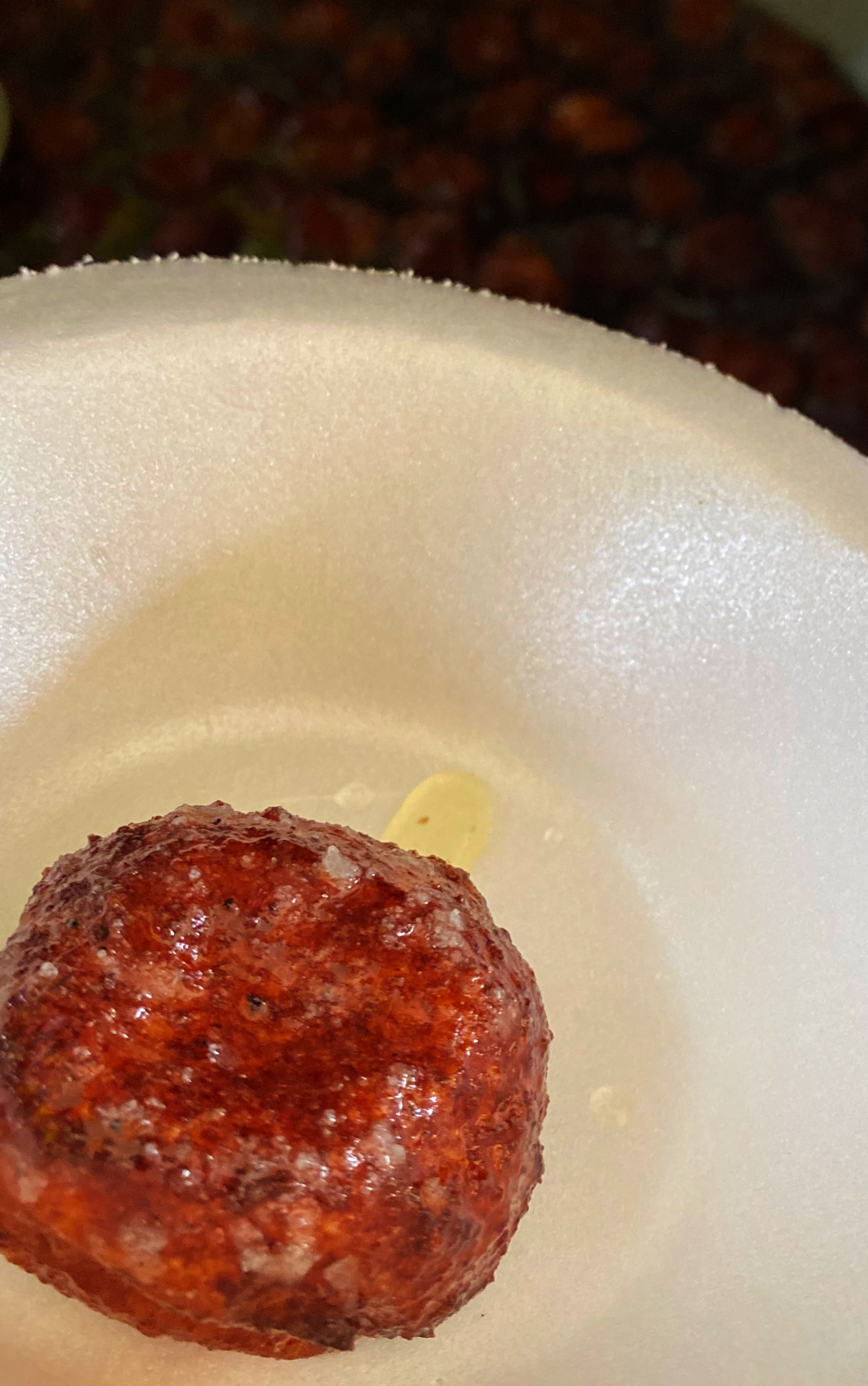
- Jhilli: A specialty of the town named Nimapada, located between Konark and Bhunmeshwer. It is made by frying small cheese balls dipped in cardamom-flavored sugar syrup, simple and delicious.
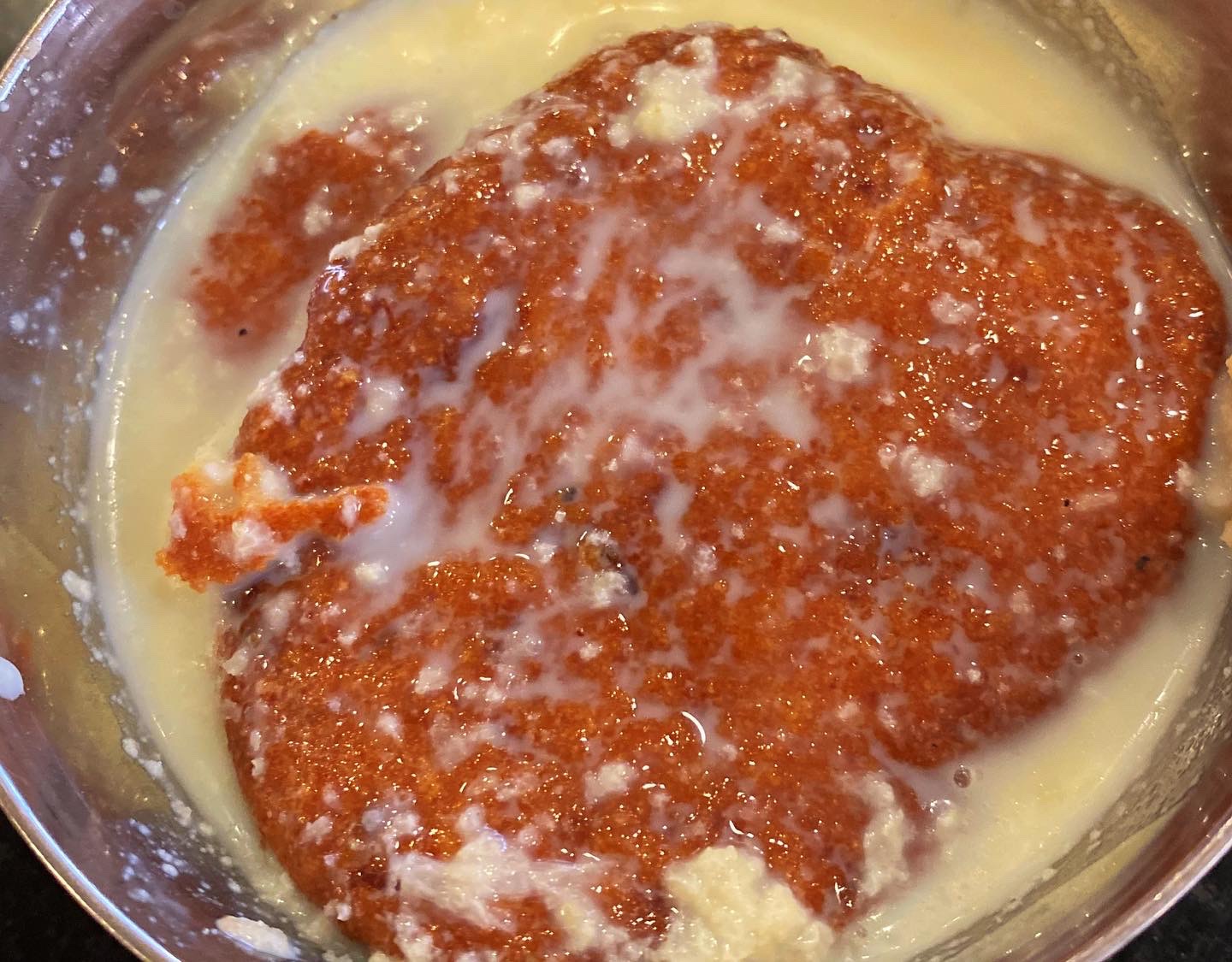
- Rasabali: Flat-fried cottage cheese meatballs until browned, then dipped in a thick milk sauce flavored with cardamom and saffron. From the first bite to the finish, the subtle taste of cardamom and saffron was delightful.
 Savvy Traveler
Jai Jagannath 🙏🏻
LikeLiked by 1 person
Such a beautiful place this is. I wish to travel there one day🙏
Thank you for sharing this information 🤩
LikeLiked by 1 person
wow!! 105 Takhts – Sikh Pilgrimage: A Journey of Spiritual Bliss
LikeLike