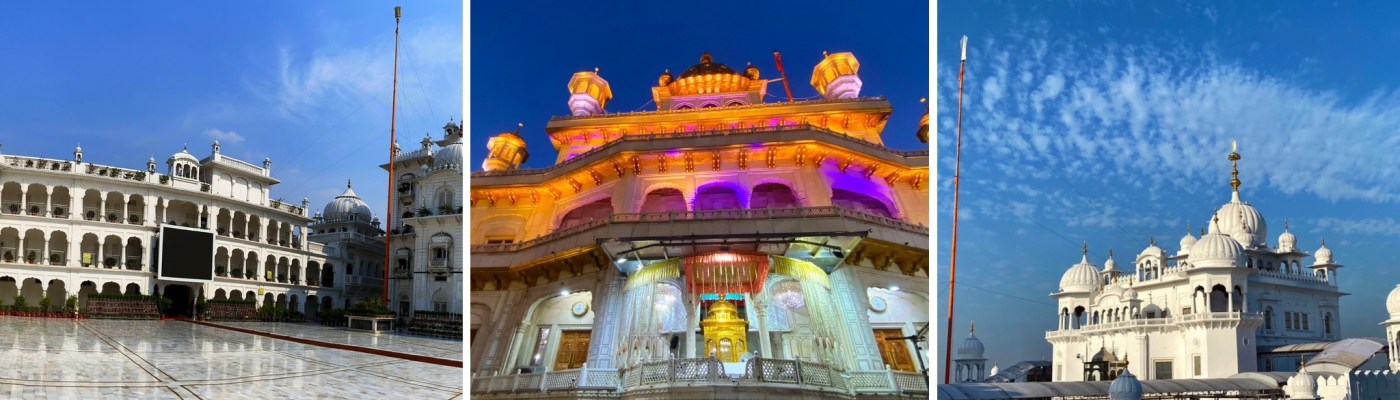
The Panj Takhts, or Five Takhts, hold great significance in Sikhism. “Takht” literally translates to a throne or a seat of authority, is the spiritual & temporal centre of Sikhism. The five Takhts are five Gurudwaras which have a very special significance for the Sikh community.
Three are in Punjab whilst the remaining two are located outside of it.
- Akal Takht – Amritsar, Punjab
- Takht Sri Patna Sahib – Patna, Bihar
- Takht Sri Keshgarh Sahib – Anandpur Sahib, Punjab
- Takht Sri Damdama Sahib – Talwandi Sabo, Punjab
- Takht Sri Hazur Sahib – Nanded, Maharashtra
Recently, I embarked on a spiritual journey to visit all 5. For me, this journey was all about personal exploration and the quest to find a deeper meaning, connection, and understanding of myself and religion. Throughout the journey, I was able to deep dive beyond my feelings and surface-level thoughts, and I was able to create a deeper connection with these significant places. Overall it was a journey of a lifetime.
If you need help in planning your next trip, feel free to let me know, I’ll be happy to help.
Akal Takht – The first and the most important Takth ‘Akal Takht’ (the Throne of the Timeless God), was established by Guru Hargobind in 1609. Situated just opposite the Darshini Deori doors of Harmandir Sahib – The Golden Temple, it is the highest seat of temporal authority of the Khalsa and the seat of the Sikh religion’s earthly authority. While the Harmandir Sahib represents Sikh spiritual guidance, the Akal Takht symbolizes the dispensing of justice and temporal activity.
Here the Guru held his court and decided matters of military strategy and political policy. Later, the Sikh Nation took decisions here on matters of peace and war and settled disputes between the various Sikh groups. The Sarangi singers sang the ballads of the Sikh Gurus and warriors at this place, and robes of honour (called Saropas) were awarded to persons who rendered distinguished services to the community of men in general.
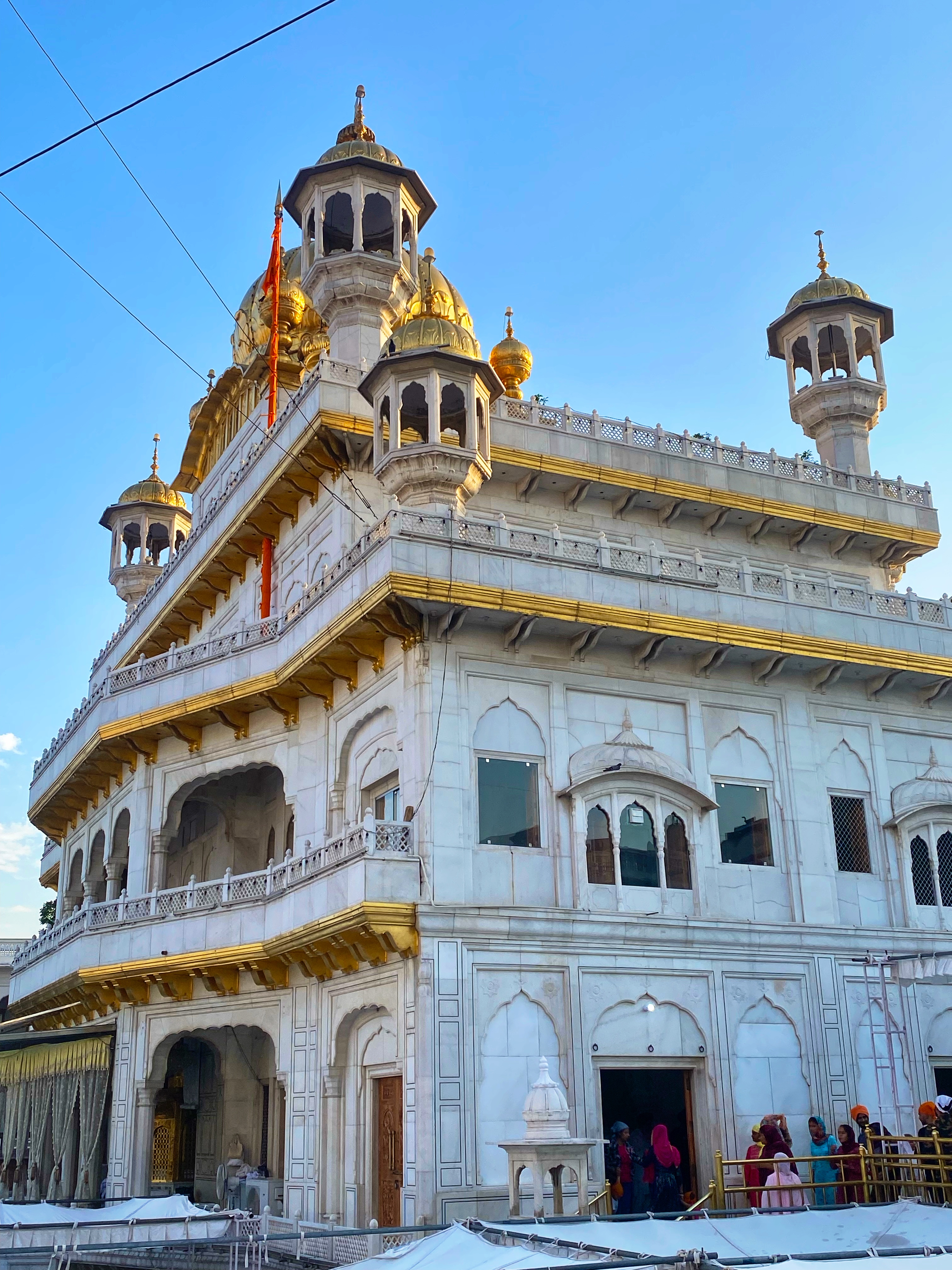
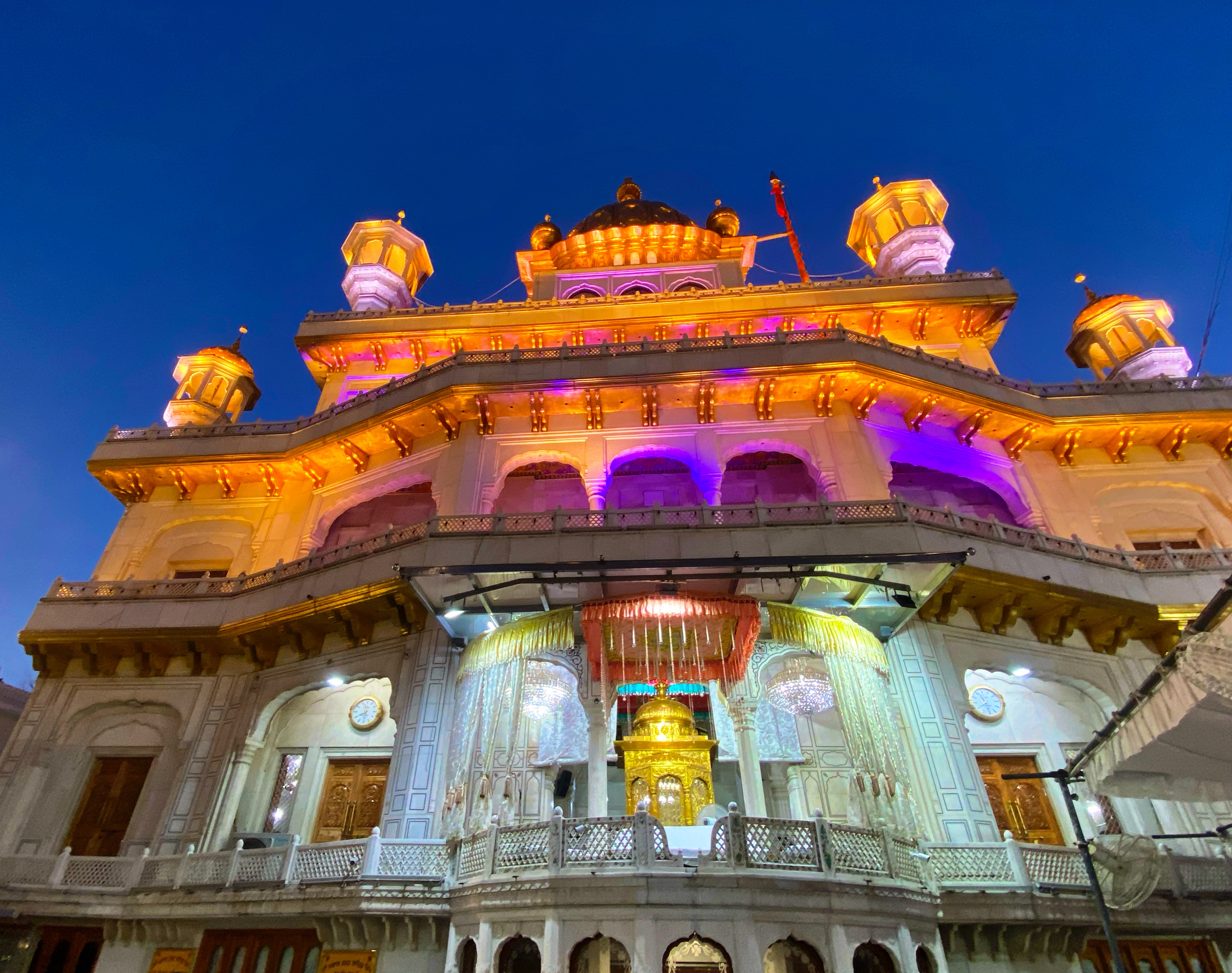
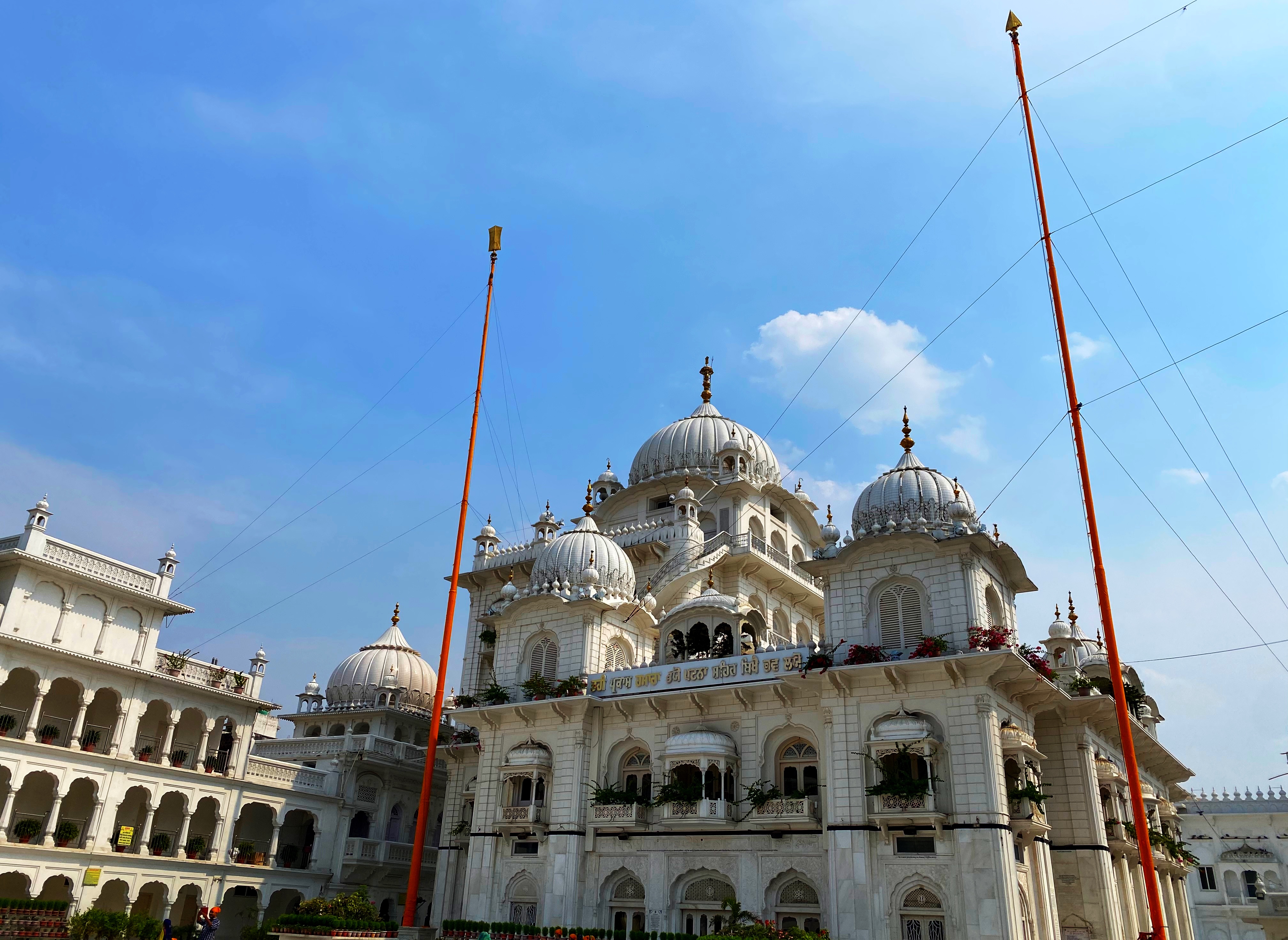
Takht Sri Patna Sahib – Also known as Takht Sri Harmandir Ji Patna Sahib is situated in Patna, Bihar. The tenth Sikh Guru, Guru Gobind Singh (birth name Gobind Rai) was born in Patna on December 22, 1666, and spent his early years there before moving to Anandpur Sahib. Since childhood, Gobind Singh was involved in saint and warrior(Sant Sipahi) activities and became an object of wonder and adoration for many admirers in Patna. When young Govind Singh departed Patna with the family, it was the most torturing scene for the inhabitants of Patna.
Patna, besides being the birthplace of Guru Gobind Singh, also received visits from Guru Nanak and Guru Tegh Bahadur, two other significant figures in Sikh history.
The construction of the Takht was commissioned by Maharaja Ranjit Singh who was a prominent Sikh ruler (1780–1839) in the 18th century to mark the birthplace of Guru Gobind Singh. The Gurudwara at Patna Sahib is regarded as the epicentre of Sikhism in Eastern India.
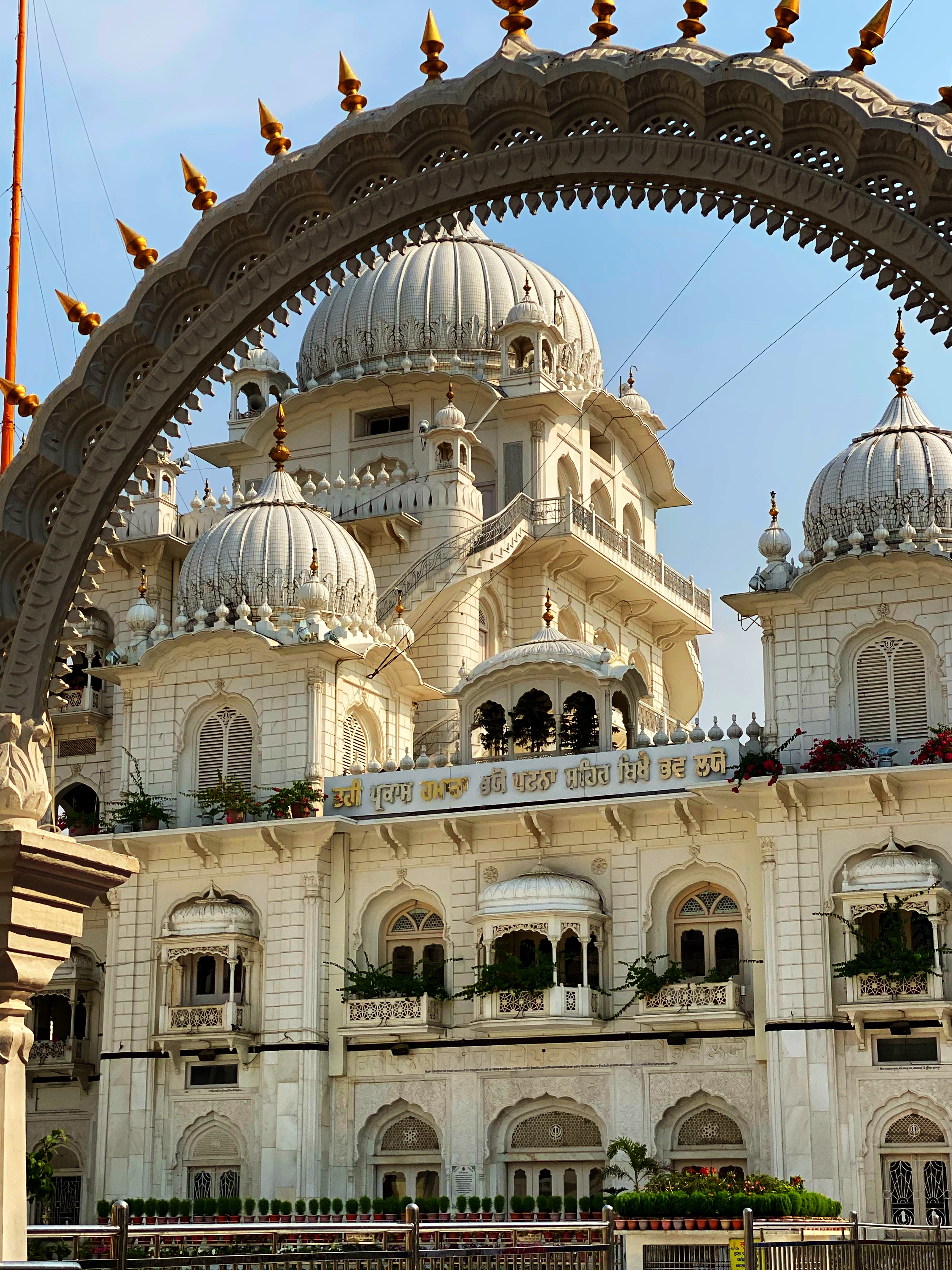
Takht Sri Kesgarh Sahib – It holds significant historical and religious importance in Sikhism, as it is where the Khalsa Panth(the community of initiated Sikhs) was born. Guru Gobind Singh spent 25 years of his life in Anandpur Sahib and founded the Khalsa Panth at Takht Kesgarh Sahib in 1699. This event marked the initiation of the Khalsa and is considered a pivotal moment in Sikh history. Guru Gobind Singh called for a special congregation on Baisakhi day, where thousands of Sikhs were present to witness the formation of the Khalsa.
The area was developed by Guru Gobind Singh, the construction of five defensive forts, known as Qilas, as a defensive measure to protect the Sikhs from the Rajas of the Hill States and the Mughals. Takht Kesgarh Sahib was the central fort among these Qilas, and the other forts included Anandgarh Qila, Lohgarh Qila, Holgarh Qila, Fatehgarh Qila, and Taragarh Qila. These forts were interconnected with earthworks and tunnels. Over time, the fort of Takht Kesgarh Sahib became a prominent centre of Sikhism and was designated as one of the five Takhts of Sikh authority.
Takht Kesgarh Sahib continues to be a revered place of worship and pilgrimage for Sikhs worldwide. It serves as a spiritual and temporal centre where Sikhs gather to seek guidance, participate in religious ceremonies, and pay their respects. The Gurdwara at Takht Kesgarh Sahib is a significant landmark in Anandpur Sahib and holds a special place in Sikh history and heritage.
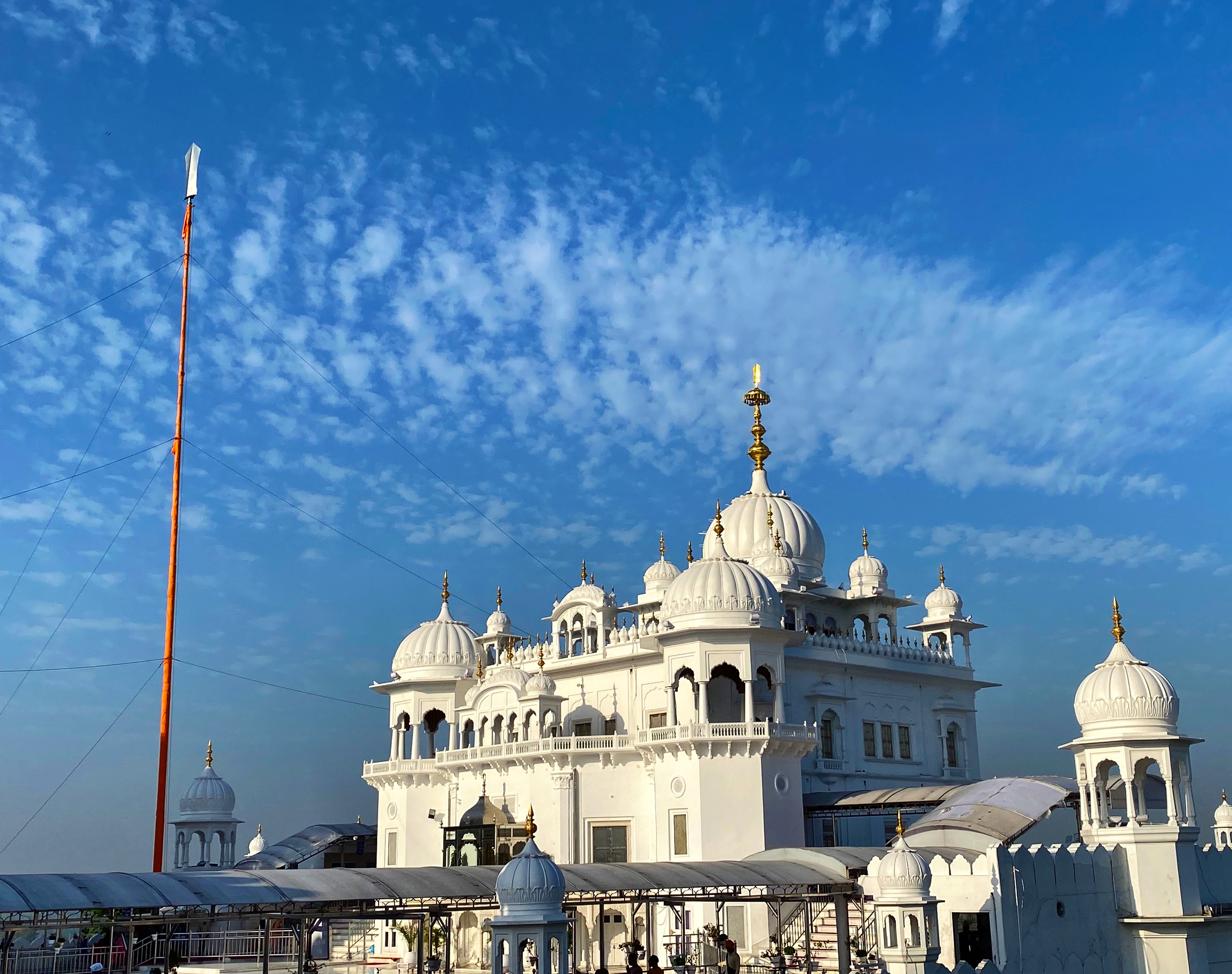
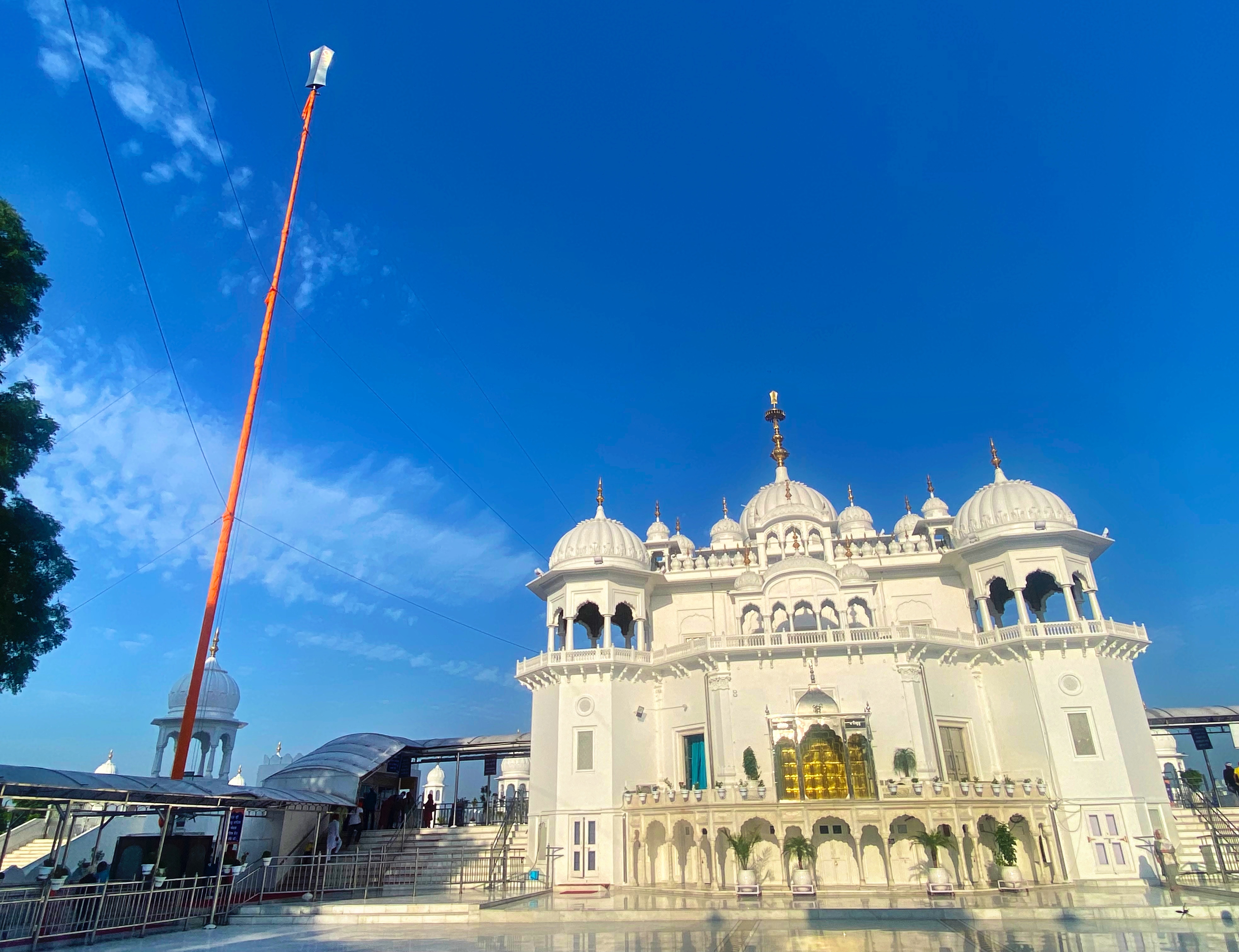
Takht Sri Damdama Sahib – Takht Sri Damdama Sahib, also known as Takht Damdama Sahib, is situated in Talwandi Sabo, Punjab. This sacred place holds great significance in Sikh history as it was here that Guru Gobind Singh finalized the full version of the Sikh scriptures called Sri Guru Granth Sahib in 1705.
The historical context surrounding Takht Sri Damdama Sahib relates to the siege of Anandpur Sahib by a combination of Mughals and hill chiefs, ordered by Emperor Aurangzeb. Guru Gobind Singh and his followers faced difficult circumstances due to the depletion of food supplies in Anandpur Sahib. The Mughals offered safe passage in exchange for the fortress of Anandpur Sahib. After testing their promise, the Guru accepted the offer and left Anandpur Sahib with his family with a small group of troops. During their journey, the two younger sons of the Guru and their grandmother were separated from the main group and were arrested by the authorities.
It was at Takht Sri Damdama Sahib that Guru Gobind Singh compiled the Damdame Wali Bir, also known as the Damdami Bir, which is a revised and authentic version of the Adi Granth, now honoured as the Guru Granth Sahib. The hymns of Guru Tegh Bahadur Sahib, the ninth Guru and father of Guru Gobind Singh, were added to the Bir. During his stay in Damdamda Sahib, Guru Gobind Singh attracted several new converts to the Khalsa.
Today, Takht Sri Damdama Sahib remains a place of worship for Sikhs and a hub of spiritual and religious activity. It holds historical and cultural significance as a seat of authority in Sikhism, and devotees from around the world visit this holy site to seek blessings and connect with the teachings of Guru Granth Sahib.
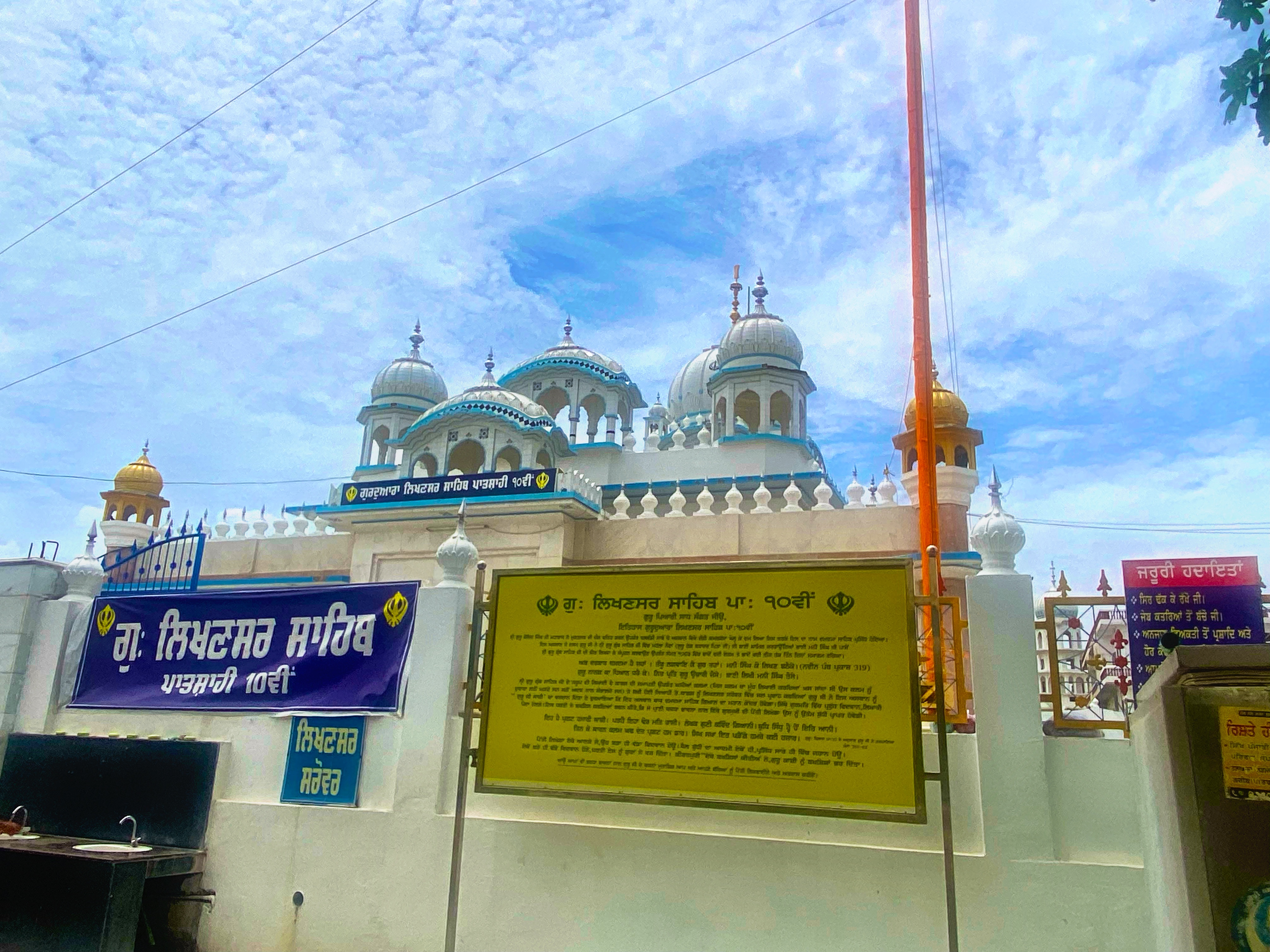
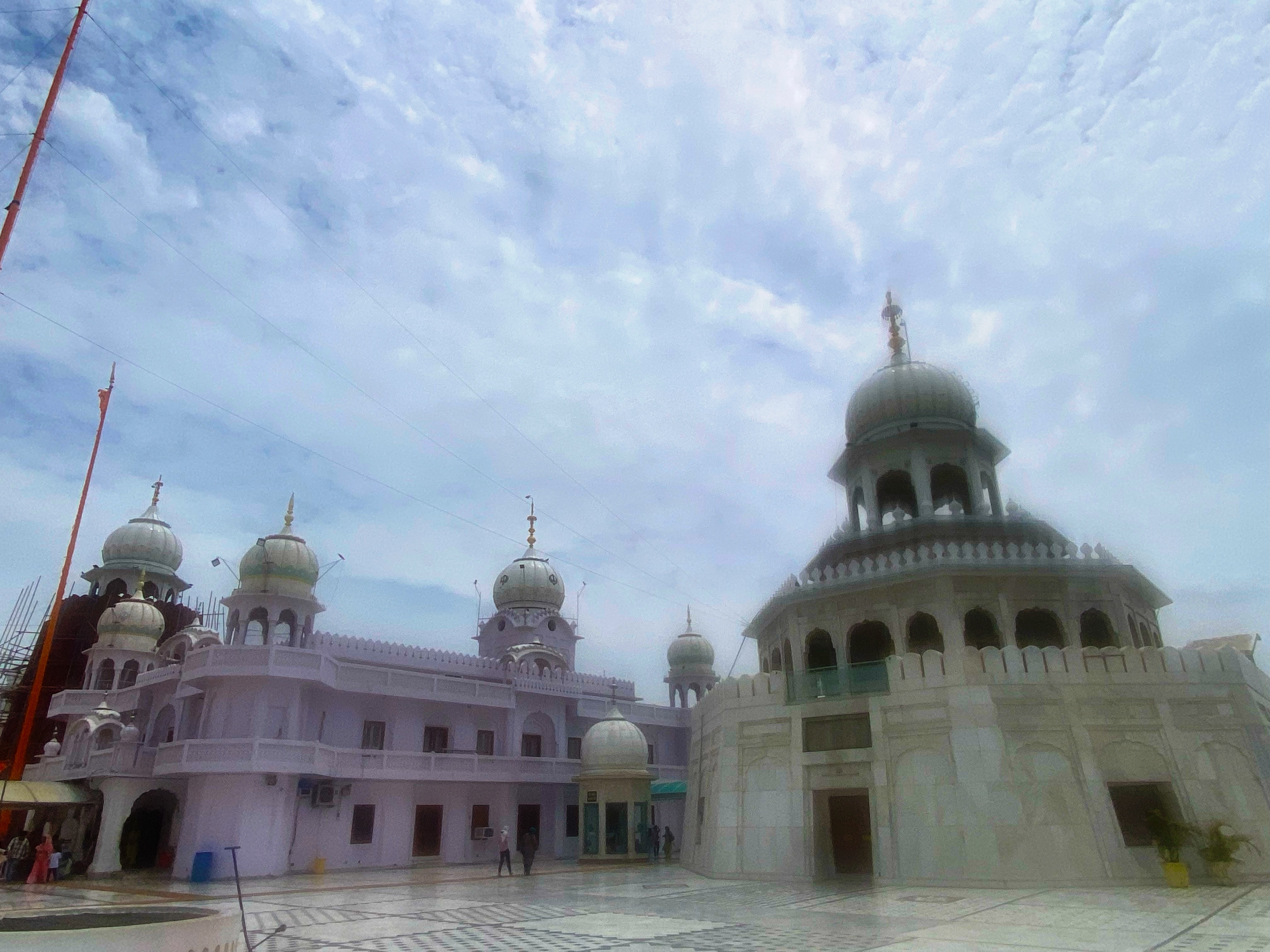
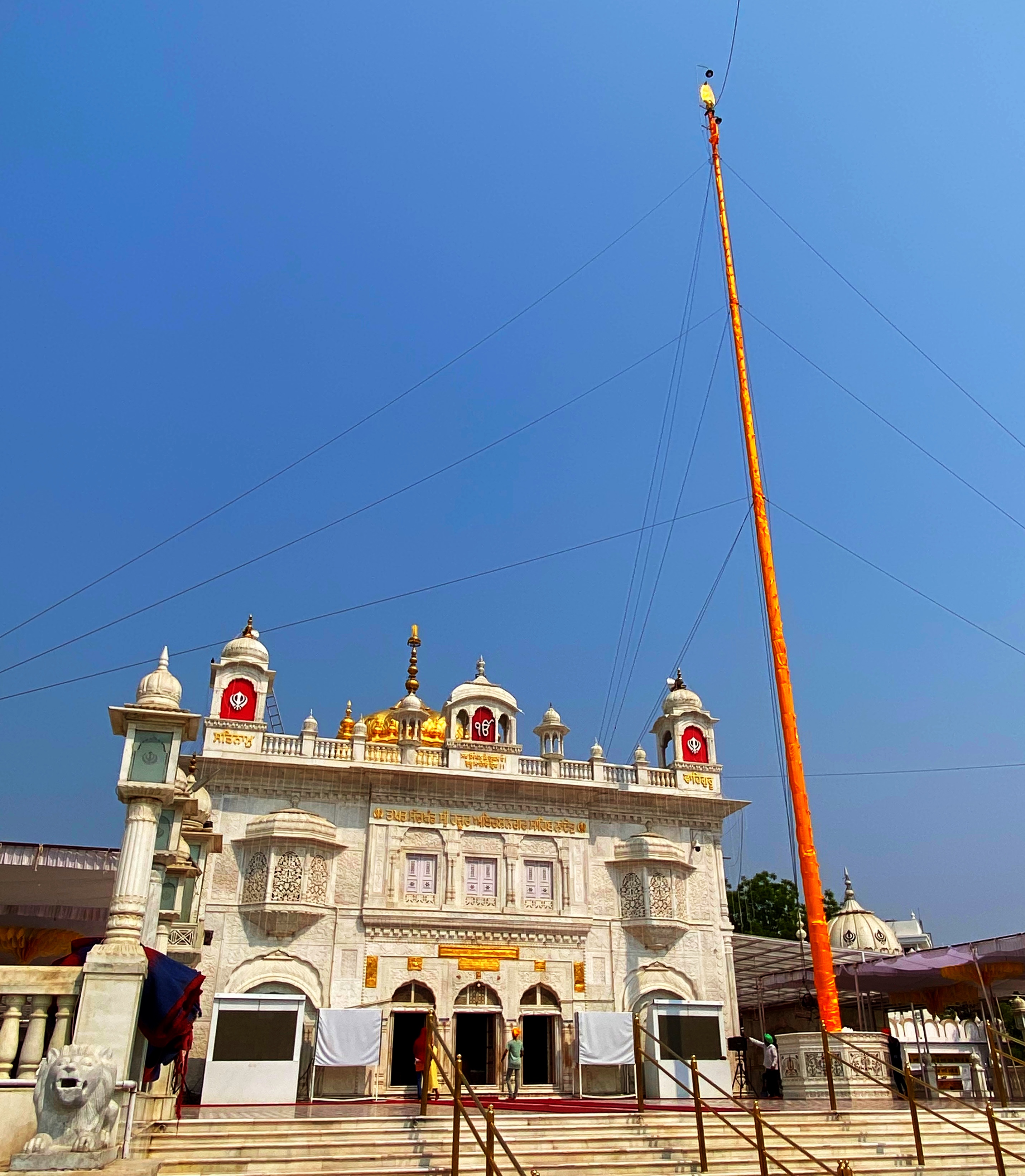
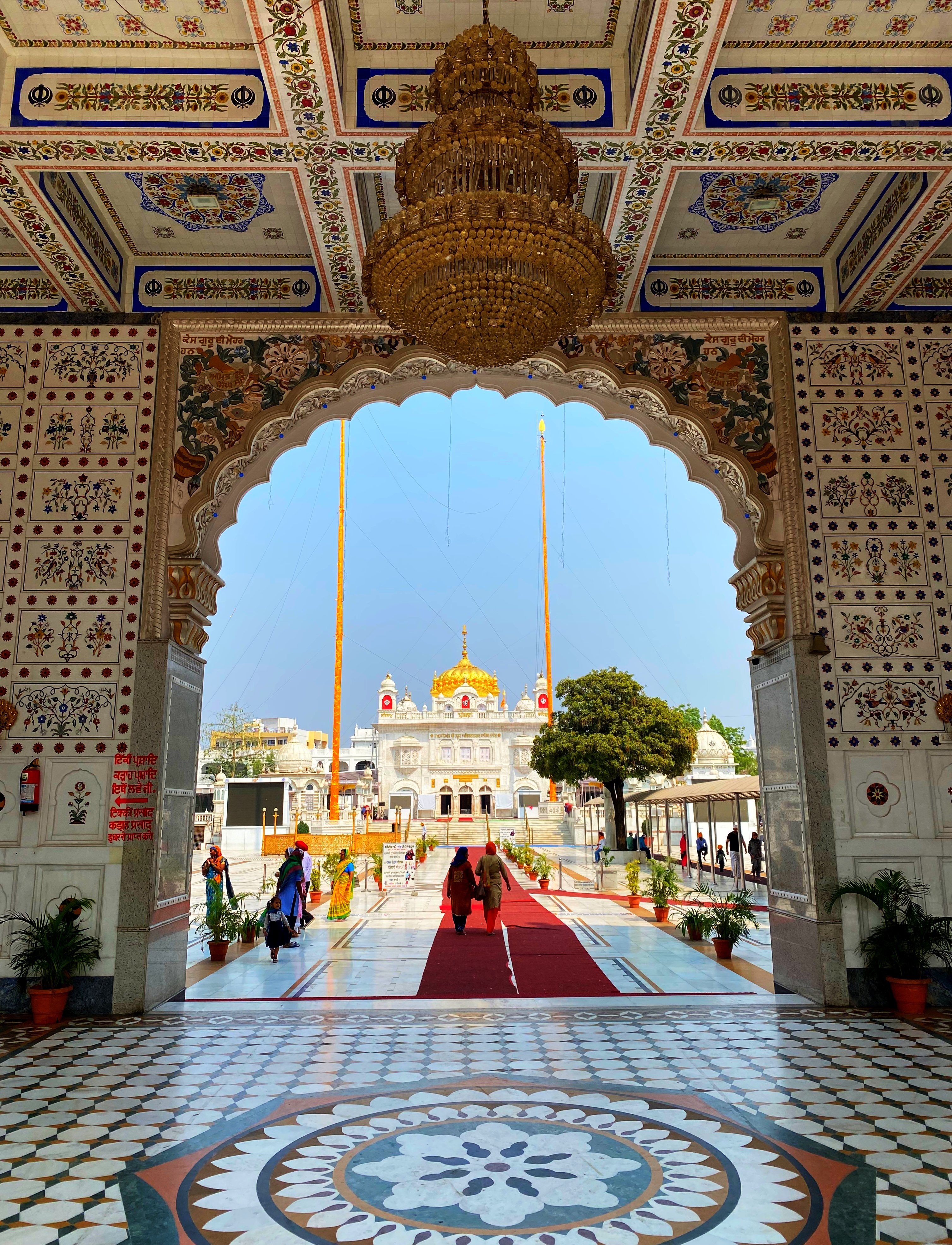
Takht Sri Hazur Sahib – Takht Sri Hazur Sahib, also known as Hazur Sahib, is an important gurdwara located in Nanded, Maharashtra along the banks of the Godavari River.
Hazur Sahib’s history revolves around important events linked to Guru Gobind Singh. In 1708, Guru Gobind Singh Ji had his camp there while recovering from an assassin attack. During this time, Guru Gobind Singh held courses and congregations, and it was here that he was attacked and wounded. Despite initial healing, his wound reopened a few days later, and Guru Gobind Singh merged with the Primal, declaring the Guru Granth Sahib as his spiritual successor.
Hazur Sahib Gurudwara was built from 1832 to 1837 by Maharajah Ranjit Singh. It is located where Guru Gobind Singh concluded his life on earth. The Gurdwara complex includes the Sach-Khand (Realm of Truth), where the inner room called Angitha Sahib is built. This room is located at the place Guru Gobind Singh Ji was cremated in 1708.
Hazur Sahib continues to be an important shrine for Sikhs, attracting devotees and visitors from around the world.
 Savvy Traveler
Kudos on visiting all the takhts
LikeLiked by 1 person
Very well describe and informative 💯
LikeLiked by 1 person